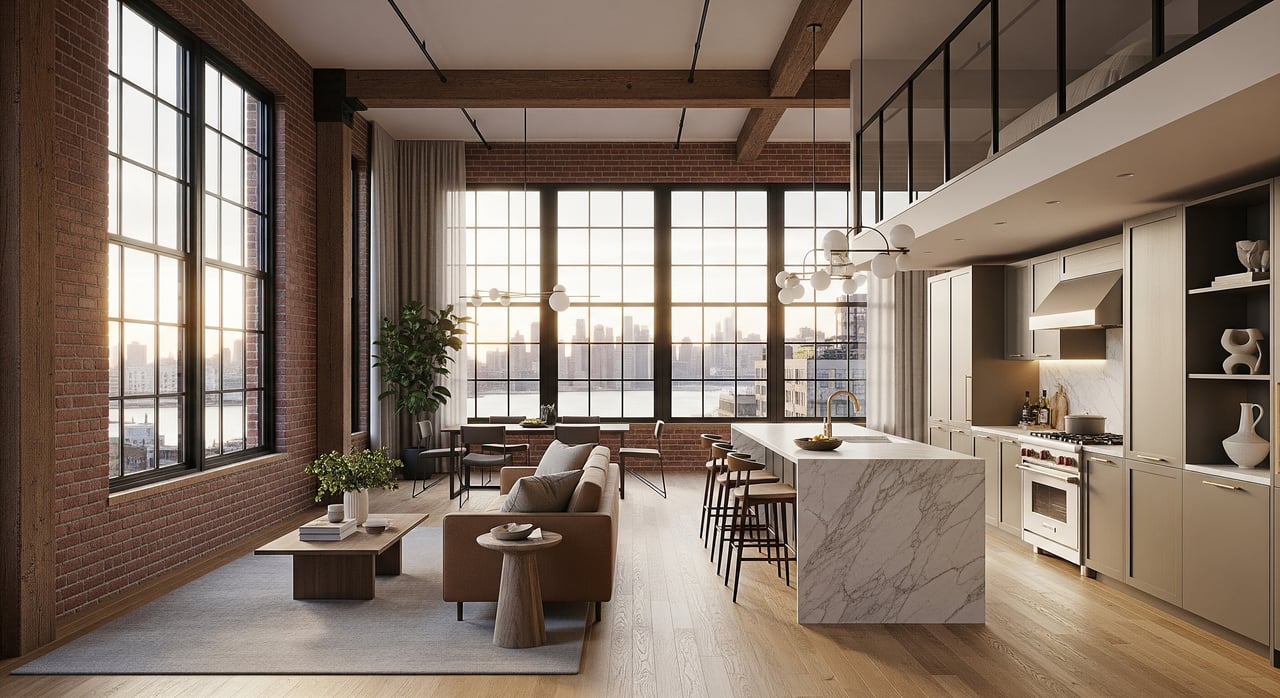
Craving soaring ceilings, brick walls, and that effortless Williamsburg vibe? Before you fall for a dramatic space, it helps to understand how different types of lofts affect your daily life, financing options, and long‑term value. In this guide, you’ll see the key differences between authentic lofts and loft‑style condos, what drives price, the legal items to verify, and a practical checklist to buy with confidence. Let’s dive in.
Authentic lofts vs loft-style condos
What defines an authentic loft
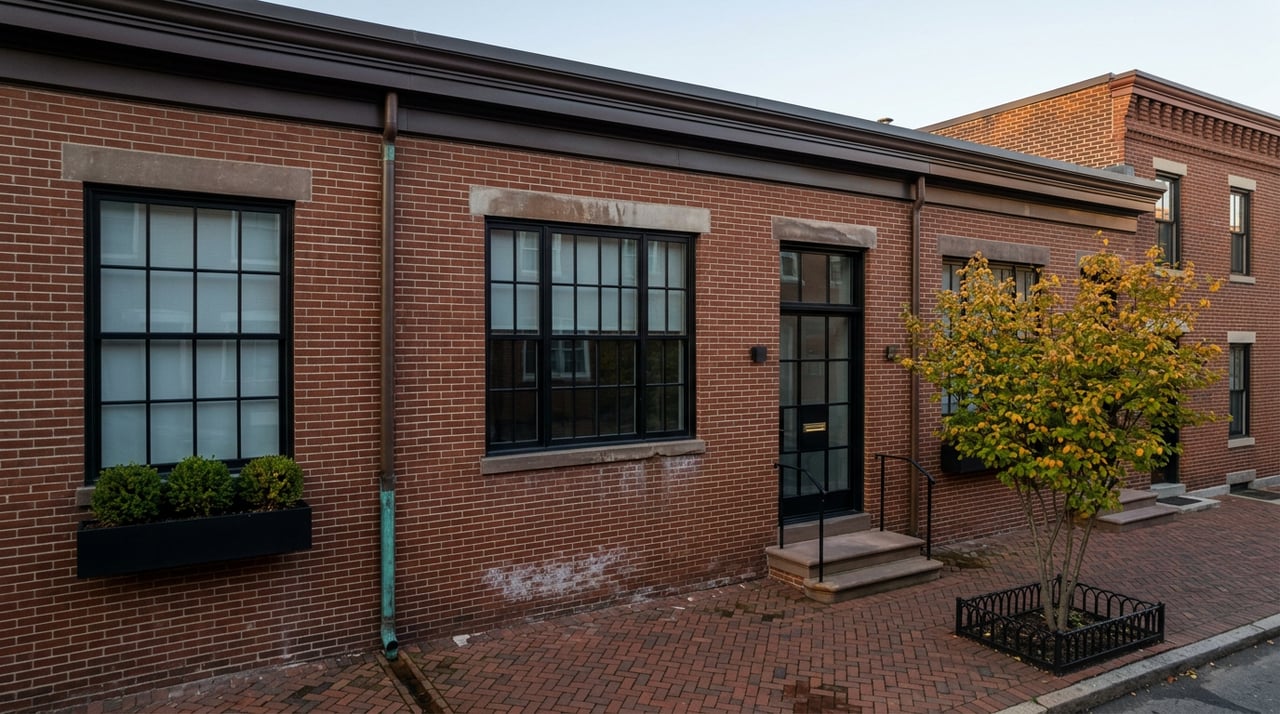
Authentic lofts come from former industrial buildings that were converted for residential use. You’ll often see very high ceilings, oversized industrial windows, exposed beams or columns, and wide-open floor plates that let you design flexible layouts. Some are fully legalized for residential use, while others may fall under NYC’s Loft Law or have interim protections that affect financing and alterations.
In Williamsburg, many of these buildings sit near historic waterfront and Northside industrial corridors. The living experience can feel cinematic, with volume and character you cannot replicate in standard apartments.
What defines a loft-style condo
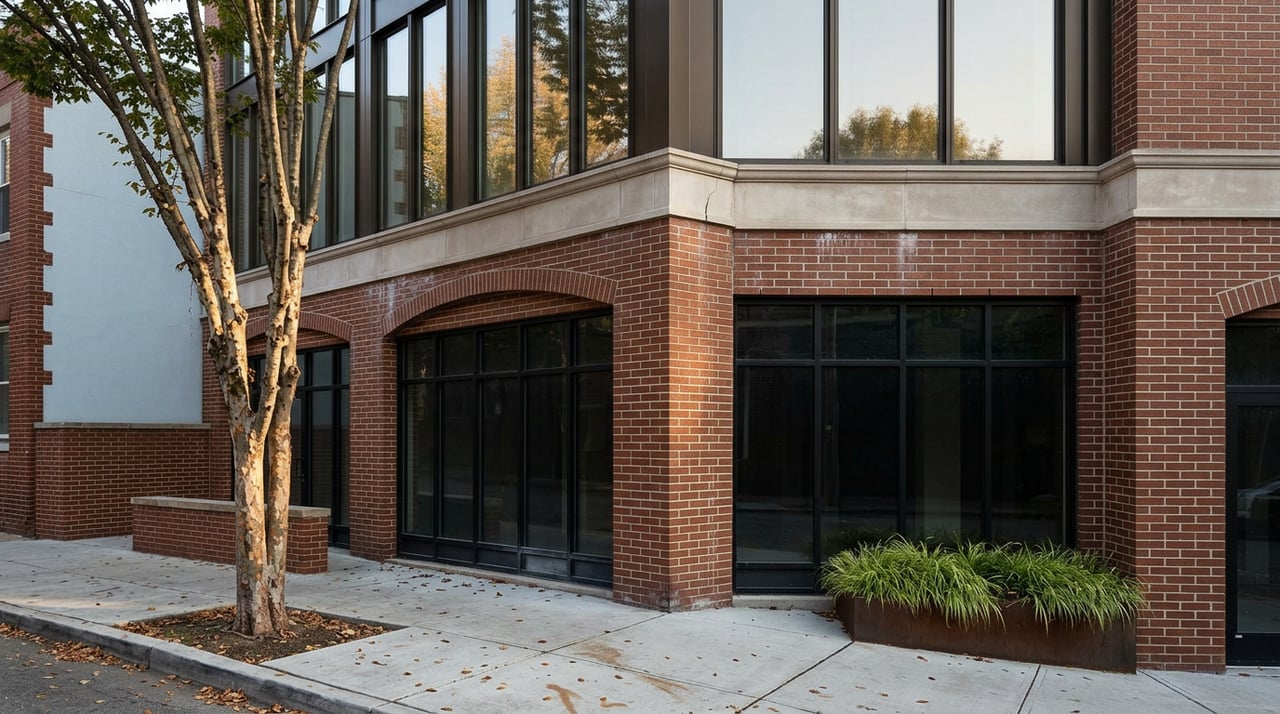
Loft-style condos are purpose-built or residential conversions designed to deliver a “loft feel” with modern systems. Expect ceiling heights around 9 to 12 feet, open layouts, and contemporary finishes. These buildings typically carry a standard residential Certificate of Occupancy and are governed by condo documents, which makes financing and resale more predictable. You will find these across Bedford, North 6th, and Wythe Avenue corridors, and in mixed-use waterfront developments.
Why the difference matters
- Living experience: Authentic lofts offer dramatic volume and flexibility. Loft-style condos deliver convenience, energy-efficient systems, and consistent building rules.
- Costs and valuation: Authentic conversions can command a premium for ceiling height, window frontage, and unique finishes, but they may have higher maintenance needs and fewer comparable sales. Loft-style condos often carry amenity value and stable buyer demand.
- Financing and resale: Lenders generally prefer legally conforming residential condos. Nonstandard or interim lofts can narrow loan options and the buyer pool.
Value drivers: ceilings, light, and layout
Ceiling height and volume
Authentic conversions often clear 12 to 20 feet or more, which allows dramatic double-height spaces and even mezzanines. Loft-style condos usually offer 9 to 12 feet and create a loft vibe through open plans. Taller ceilings increase perceived volume and can drive a premium, even though that extra vertical space may not count as taxable square footage.
Floor plan flexibility
Authentic lofts usually have fewer internal load-bearing walls. You can experiment with studio-like layouts or enclosed rooms, but appraisal and financing can hinge on legal bedrooms that meet code. Loft-style condos come with predefined bedrooms and baths, which typically attract a broader buyer pool.
Windows and natural light
Industrial sash windows in authentic lofts can flood rooms with light and frame views. Many are older, which can be less energy efficient. Loft-style condos use modern glazing that improves thermal performance, though windows may be split into smaller bays.
Materials and finishes
Exposed brick, timber, and ductwork set the tone in authentic lofts. These details are visually striking but can require upkeep, like repointing brick or refinishing floors. Loft-style condos favor contemporary kitchens and baths, integrated HVAC, and insulation that lowers near-term maintenance risk.
Outdoor space
Private terraces, setbacks, or roof rights elevate both lifestyle and value, especially in dense parts of Williamsburg. In either building type, outdoor access can be the single feature that pushes a property into a higher pricing tier.
Noise and acoustics
Open volumes and hard surfaces can amplify sound. In Williamsburg, street activity near nightlife corridors and vibration near transit can add to ambient noise. Acoustic treatments, double glazing, and soft finishes help, but they can shift the raw aesthetic. Always assess daytime and nighttime noise before you commit.
Legal checks: C of O, Loft Law, and zoning
Certificate of Occupancy
Verify whether the unit has a residential Certificate of Occupancy. Lenders usually require proof that the space is legally residential. If a unit lacks a residential C of O, you may face mortgage denials, larger down payments, or specialty loans.
NYC Loft Law and Loft Board status
Some authentic lofts fall under NYC’s Loft Law, which outlines a path for legalizing residential use and establishes certain tenant protections. Building registration or interim multiple dwelling status can affect your rights, renovation approvals, and financing options.
Zoning, waterfront overlays, and landmarks
Zoning controls permitted use and alterations. Along the East River and in certain corridors, additional rules or overlays may apply. If a property is in a designated historic area, exterior changes may face added review.
Ownership structure and building rules
- Condominiums: Individually owned real property, governed by bylaws and common charges. Generally the most flexible for financing and resale.
- Co-ops: Ownership via shares and a proprietary lease. Boards often have stricter application and subletting rules.
- Mixed-use: Commercial components can impact operating costs, insurance, and future assessments.
Condo or co-op boards typically require permits and architectural review for major alterations like mezzanines, new walls, or HVAC changes. Review restrictions on rentals and any prohibitions on commercial activity.
Code and fire safety
Open plans, mezzanines, and large single-story spaces must comply with egress and fire separation rules. These requirements influence renovation approvals and insurance.
Financing and appraisal basics
What lenders want to see
- Residential Certificate of Occupancy or proof of legal residential status
- Confirmation that the unit meets building code for residential use
- Clear title and no habitability-impacting violations
- For condos: questionnaires, financials, and underlying mortgage details
- For co-ops: board approval process and financial statements
Loan types and special considerations
- Conventional loans are common for legally conforming condos and many authentic conversions that have clear residential status.
- FHA and VA options have specific minimum property standards. Mezzanines, ceiling heights, and egress can affect eligibility. Confirm with your lender and appraiser early.
- If legal status is ambiguous, prepare for a higher down payment, a nonstandard loan, or a lender decline, which narrows your buyer pool at resale.
Appraisal realities for lofts
Appraisers rely on comparable sales. Authentic lofts are desirable but unique, which can lead to conservative valuations. Premiums for features like exposed beams or industrial windows must be supported by market comps. Mezzanine area may not count as legal square footage, so verify how the unit’s area is reported.
Insurance considerations
Historic conversions can have higher premiums or exclusions based on materials and replacement cost. If you plan a renovation, you may need builders’ risk coverage. In condos, understand the master policy and how the deductible and coverage interact with your HO-6 policy.
Costs: Williamsburg loft pricing
Prices shift with the market cycle, building, and exact block, but these general patterns can help you plan:
- Small loft-style condos, studio to one bedroom, have typically listed in the mid-market for Williamsburg condos. Recent ballparks range from the low six figures to the low seven figures depending on size and finishes.
- Larger authentic conversions at roughly 1,200 to 3,000 plus square feet often command substantial premiums and can reach the high seven figures, especially with waterfront views or private outdoor space.
- New luxury loft-style units in amenity buildings tend to price at a premium per square foot relative to older conversions due to services and predictable governance.
What pushes price the most:
- Ceiling height and overall volume
- Window size, orientation, and views
- Square footage and layout flexibility
- Legal status and ease of financing
- Outdoor space, storage, and building amenities
- Location within Williamsburg, including proximity to transit, restaurants, and the waterfront
Recurring expenses to budget for:
- Common charges or co-op maintenance
- Insurance premiums that reflect historic materials or unique finishes
- Potential special assessments for facade work, structural improvements, or conversions
- Renovations for kitchens, baths, insulation, and windows in authentic lofts
Buyer due diligence checklist
Use this step-by-step list to protect your time and leverage:
- Verify the Certificate of Occupancy and legal use via city records.
- Check NYC Loft Board registration and any Loft Law status.
- Review the offering plan, bylaws, recent board minutes, and financials.
- Pull building violations, open permits, and complaints.
- Confirm insurability and obtain quotes that reflect the building’s structure and finishes.
- Get lender pre-approval tailored to the unit type, including mezzanines and nonstandard rooms.
- Measure and confirm ceiling heights and legal bedroom status.
- Order a building and unit inspection focused on structure, MEP systems, roof, and windows.
- Ask about recent or upcoming assessments, capital plans, and reserve fund health.
- Confirm what alterations are allowed, including walls, mezzanines, and HVAC changes.
Pros and cons at a glance
Authentic lofts
- Pros: Exceptional volume, dramatic windows, flexible layouts, distinctive character
- Cons: Potentially higher maintenance, energy efficiency tradeoffs, complex legal status, fewer lending options, limited comps for appraisal
Loft-style condos
- Pros: Modern systems, standard residential C of O, predictable condo rules, often easier financing and resale
- Cons: Lower ceilings than industrial conversions, less layout flexibility, smaller floor plates in many buildings
Make your move with confidence
Choosing between an authentic loft and a loft-style condo comes down to how you want to live, how you plan to finance, and how you think about resale. If you value volume and character above all, an authentic conversion can be worth the extra diligence. If you want modern systems and streamlined lending, a loft-style condo may fit better. Either way, clarity about legal status, building rules, and valuation will give you an edge.
For tailored guidance on Williamsburg lofts and a clear plan from search to close, connect with Bill and Guy. We specialize in complex, design-forward transactions and will help you balance aesthetics, financing, and long-term value.
FAQs
What is the key legal document for a Williamsburg loft purchase?
- The Certificate of Occupancy confirms whether a unit is legally residential, which most lenders require to underwrite a standard mortgage.
How do authentic lofts under NYC’s Loft Law affect buyers?
- Loft Law status can shape rights, renovation approvals, and financing options, so you should verify any registration or interim multiple dwelling status.
Can I add a mezzanine in a Williamsburg loft?
- Possibly, but it must meet building code for egress and fire separation and may require permits and board approval.
Will lenders finance a nonconforming or interim loft?
- Some may not, while others require larger down payments or specialty loans; early lender pre-approval specific to the unit type is essential.
Are authentic lofts noisier than loft-style condos?
- They can be, because high ceilings and hard surfaces amplify sound; location near nightlife or transit also matters.
Do I need special insurance for an authentic loft?
- You might, since exposed materials and historic elements can change replacement cost and exclusions; get quotes before you commit.