Choosing between Hoboken and Historic Downtown Jersey City comes down to how you want to live and how you prefer to get to Manhattan. Both deliver skyline views, vibrant dining, and fast transit, but the day-to-day feel can be very different from block to block. If you are weighing restaurants and parks against commute options, parking, and total cost of ownership, you are in the right place.
This guide walks you through lifestyle, transit, housing, and practical due diligence so you can pick the right fit. You will get clear comparisons, on-the-ground examples, and a decision checklist tailored to Hudson County’s most sought-after riverfront neighborhoods. Let’s dive in.
Quick neighborhood snapshot
Hoboken at a glance
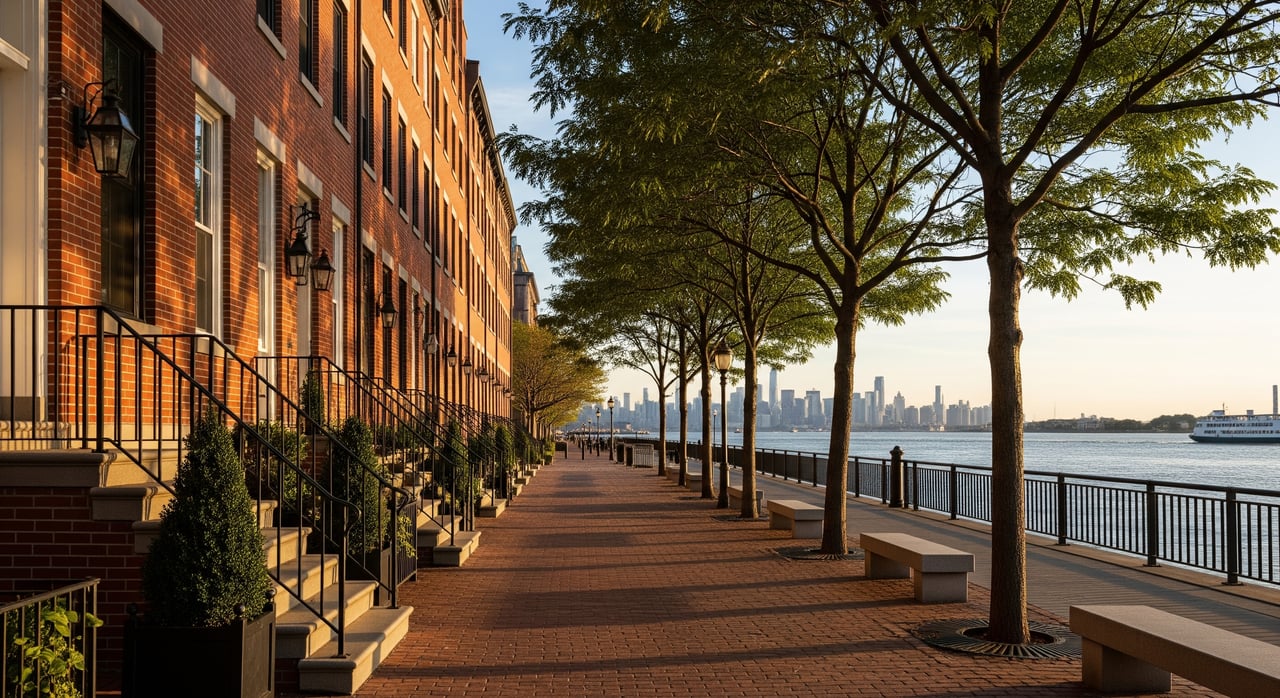
Hoboken is a compact, highly walkable city framed by a continuous waterfront promenade. Washington Street is the main spine, with a dense lineup of cafes, brunch spots, boutiques, and nightlife. Green spaces like Pier A Park, Sinatra Park, and Church Square Park are close together, which keeps daily life convenient.
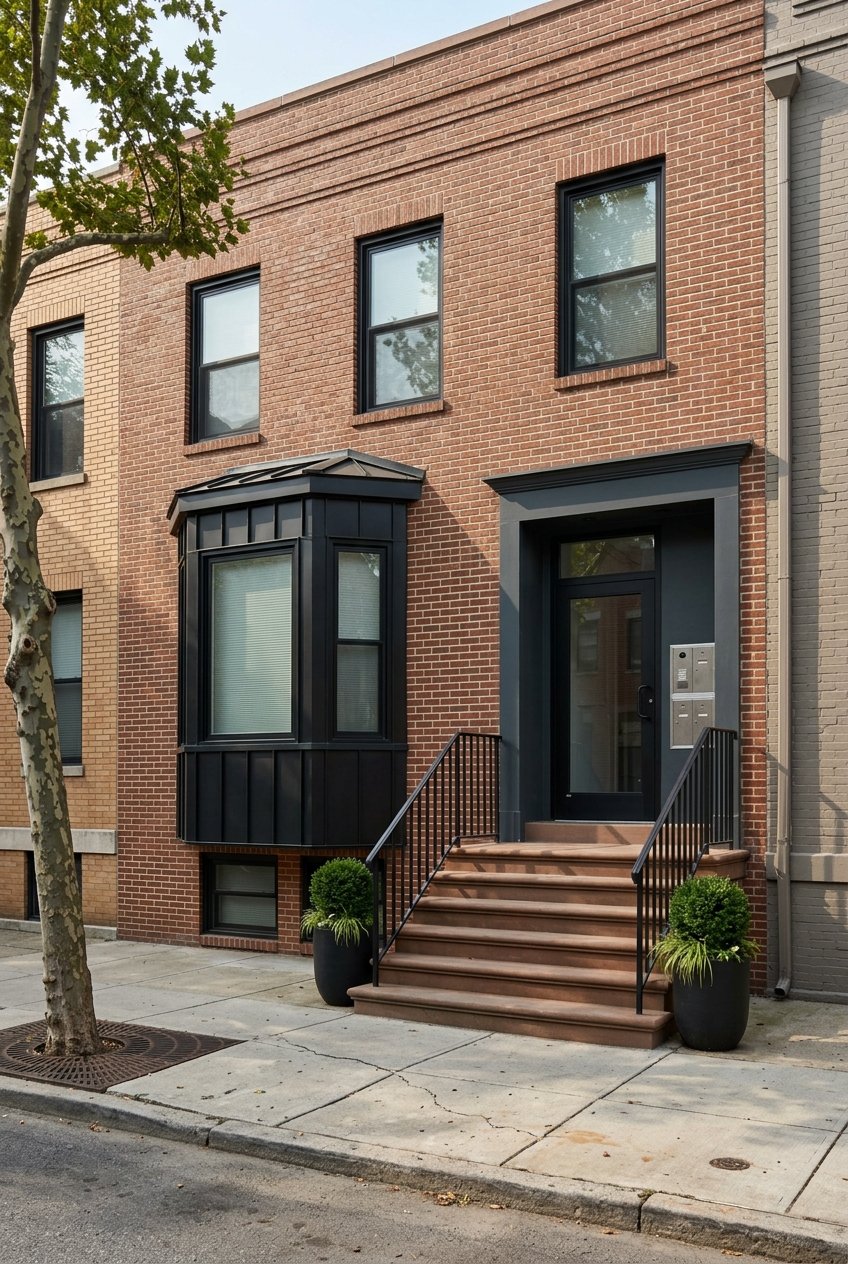
Housing ranges from 19th-century brownstones and walk-ups to mid and high-rise waterfront condos. Many buildings are smaller and intimate, and units often lean toward one-bedrooms or efficient layouts. Street parking is tight, but the city is bike and pedestrian friendly, and the Hoboken Terminal anchors nearly every mode of regional transit.
Historic Downtown Jersey City at a glance
Historic Downtown Jersey City covers several distinct micro-neighborhoods, including Paulus Hook, Exchange Place, Van Vorst Park, and Hamilton Park. You will find restored brownstones around the historic squares and larger condo towers nearer the waterfront and Grove Street. The dining scene is diverse and growing, with chef-driven concepts and a steady stream of new openings.
Parks like Van Vorst Park and Hamilton Park are neighborhood anchors with community events. The waterfront at Exchange Place and Paulus Hook offers sweeping views and quick ferry access, and Liberty State Park is an easy trip for big open-space needs. Many newer condo buildings include amenities and, in some cases, parking.
Lifestyle: dining, parks, vibe
Dining and nightlife
Hoboken’s Washington Street concentrates a lot of energy into a tight corridor. You can walk a few blocks and pass multiple brunch spots, bars, and neighborhood staples. The weekend scene is lively and consistent, which many residents love for spontaneity and ease.
Historic Downtown Jersey City delivers more variety by micro-area. Grove Street and Exchange Place feel buzzy, while blocks near Hamilton Park are quieter and residential. The larger commercial footprint allows for destination restaurants and newer concepts. If you like choosing between low-key and energetic on any given night, Downtown often delivers both within a short walk.
Parks and open space
In Hoboken, parks and playgrounds are close together, and the waterfront feels woven into daily life. Pier A Park and Sinatra Park are standouts for gatherings and skyline views, and smaller pocket parks keep playtime or a quick stroll convenient.
In Historic Downtown Jersey City, Van Vorst Park and Hamilton Park are classic squares with tree-lined paths and community programs. The Exchange Place esplanade links into the wider Hudson River Waterfront Walkway. If you want large open meadows and longer runs, Liberty State Park is a nearby option.
Waterfront living and views
Both areas sit on prime Hudson River frontage with uninterrupted Manhattan views. Hoboken’s promenade and piers feel central to the city’s identity, and waterfront buildings often have premium amenities. In Downtown Jersey City, the Paulus Hook and Exchange Place waterfront combines skyline vistas with quick ferry service and access to parks.
Waterfront buildings in either location usually command a premium and can include different building rules and resiliency features. If views and immediate access to the water are top priorities, compare the specific building’s elevation, amenity mix, and homeowners association policies.
Commute: PATH, ferry, and rail
Midtown commuters
From Hoboken, the PATH to 33rd Street provides direct midtown access. Ferries from the Hoboken Terminal also run to Midtown. Typical trips to Manhattan commonly range from about 10 to 30 minutes depending on your exact destination and mode.
From Historic Downtown Jersey City, you can reach Midtown via PATH routes from Grove Street or through connections near Newport. Many commutes are straightforward, though some Midtown trips require a transfer. Actual door-to-door time varies with building location and your first and last mile.
Financial District commuters
If your office is near the World Trade Center or the Financial District, Downtown Jersey City has a slight edge. Exchange Place is often a single quick PATH stop from the WTC. Ferries from Paulus Hook and Exchange Place also support fast downtown service.
Hoboken still offers PATH and ferry options to the Financial District. The Hoboken Terminal’s breadth of transit modes adds flexibility if you want alternatives beyond PATH, especially during service changes or weather.
Reliability, crowding, and first-mile
PATH trains and the Hudson-Bergen Light Rail are the backbone for peak-hour commutes. Ferries provide a comfortable alternative, though fares are typically higher. Service and crowding patterns change by time of day and day of week, so it helps to test your commute during peak hours.
Hoboken tends to be more bike and pedestrian centric for first and last mile. In Downtown Jersey City, many newer buildings offer bike rooms and sometimes more on-site parking. For any property, confirm walking times to stations, elevator and escalator availability, and recent service advisories.
Housing and cost drivers
Housing types and layouts
Hoboken offers a mix of pre-war walk-ups, condo conversions, and waterfront towers. One-bedrooms are common, and many buildings are smaller or mid-rise. If you value intimate buildings and a compact urban core, this mix can be appealing.
Historic Downtown Jersey City ranges from 19th-century row houses and brownstones to larger amenity buildings near Exchange Place and Newport. Newer mid and high-rise condos are common near the waterfront, and you may find more variety in unit sizes and building amenities.
Price patterns and total cost of ownership
Hoboken has historically traded at a premium relative to many parts of Jersey City, driven by its compact size and dense retail core. In Downtown Jersey City, newer buildings with full amenities can command higher prices, but they also often offer larger layouts. Market conditions change, so it is wise to review recent comparable sales and current inventory before making a move.
When comparing options, account for the full ownership picture, not just purchase price. Consider HOA or condo fees, property taxes, parking costs, and any known or potential special assessments. Newer amenity buildings usually have higher monthly fees. Assessments and utility averages can vary by building and municipality.
Parking and car ownership
Street parking in Hoboken is limited, and many buildings do not include dedicated spaces. On-street permits and private garages are common, and owning a car can be costly.
In Historic Downtown Jersey City, newer developments are more likely to include or offer access to parking, though availability and pricing are building specific. If you often drive outside the city, Downtown Jersey City usually provides marginally easier access to highways.
Flood risk and resiliency
Both Hoboken and Historic Downtown Jersey City include low-lying parcels that can be subject to storm surge and tidal flooding. Hoboken has invested in resiliency since Superstorm Sandy, including drainage upgrades and flood barriers. Jersey City continues to plan and implement mitigation strategies.
Before you bid, check FEMA flood maps and local floodplain designations. Ask for the building’s elevation certificate, and confirm whether the property sits in a Special Flood Hazard Area, which can affect mortgage and insurance requirements. Flood risk can influence carrying costs, long-term maintenance, and resale.
Schools, services, and everyday life
School options vary by city and neighborhood. Hoboken has a smaller district with public, private, and parochial choices. Jersey City’s district is larger, with options that include nearby charter and private schools in Historic Downtown. If schools are a priority, review state report cards and visit schools directly.
Public safety follows typical urban patterns, with more activity near transit hubs and nightlife pockets. Both areas are considered suitable for urban living and feature community policing and neighborhood patrols. For the most current view, check recent local statistics and community reports.
Property taxes and municipal services differ between the two cities. Request recent tax bills, HOA budgets, and utility averages for any property you are considering. This helps you compare total monthly costs across buildings and neighborhoods.
How to choose: a quick decision guide
If commute is king
- Prioritize Exchange Place or Paulus Hook in Historic Downtown Jersey City for the fastest Financial District access.
- Choose Hoboken if you want multiple modes in one place, including PATH, commuter rail, light rail, and ferries.
If lifestyle is king
- Pick Hoboken for a compact, always-on retail and dining corridor with a small-city feel.
- Choose Downtown Jersey City for diverse micro-neighborhoods, from quiet park blocks to buzzy restaurant zones.
If you need parking
- Expect tighter parking in Hoboken and plan for permits or a private garage.
- Look to newer Downtown Jersey City buildings for better odds of on-site parking.
If you value space and amenities
- Explore Downtown Jersey City’s larger amenity buildings near the waterfront for bigger layouts and full-service offerings.
- Consider Hoboken’s waterfront towers for high-end amenities, or brownstones for character and charm.
Smart next steps
- Test your commute during peak hours from each short list building.
- Walk to parks, restaurants, and transit at different times of day to feel the vibe.
- Request HOA budgets, recent assessments, and utility averages to understand carrying costs.
- Review flood maps, elevation certificates, and insurance needs, especially near the waterfront.
- Compare parking options and storage availability if you own a car or bike.
Ready to tour and compare, block by block? Connect with Bill and Guy for a tailored shortlist and a clear plan to secure the right home at the right terms.
FAQs
Which area is better for a Financial District commute?
- Exchange Place and Paulus Hook in Historic Downtown Jersey City typically provide the quickest access to the World Trade Center, often in a single fast PATH stop.
How does Midtown access compare between Hoboken and Downtown Jersey City?
- Hoboken offers a direct PATH ride to 33rd Street, while Downtown Jersey City can reach Midtown via PATH routes and connections near Newport, with some trips requiring a transfer.
Ferry vs PATH vs commuter rail: which is best for reliability and comfort?
- PATH and light rail are the peak-hour backbone, while ferries are a comfortable alternative at a higher fare; try each route during your commute window to decide.
Are condos generally more expensive in Hoboken than Downtown Jersey City?
- Hoboken has historically traded at a premium due to its compact size and demand, while Downtown Jersey City offers more varied inventory, including newer amenity buildings.
Do I need flood insurance near the waterfront in Hoboken or Downtown Jersey City?
- Lenders may require flood insurance in Special Flood Hazard Areas; verify the building’s elevation certificate and flood zone before you bid.
Where will I find more family-friendly parks and green space?
- Both areas have strong park networks; Hoboken’s parks are close together, while Downtown JC offers classic squares and easy access to Liberty State Park.
How tight is parking in Hoboken compared with Downtown Jersey City?
- Hoboken parking is limited and often permit-based; newer Downtown Jersey City buildings are more likely to include or offer garage parking.
What monthly costs should I compare beyond the purchase price?
- Review HOA fees, property taxes, parking, flood insurance, and potential assessments, plus utility averages, to understand true monthly carrying costs.