Thinking about crossing the river but keeping your Manhattan job? If you want walkability, skyline views, and more space without giving up a quick commute, Hoboken might be your sweet spot. You’re not alone if you love New York’s energy yet crave a calmer home base that still keeps you plugged into the city. In this guide, you’ll get a clear picture of day-to-day life in Hoboken: commute options, housing realities, parks and dining, schools and childcare, and what it all costs. Let’s dive in.
Commute options to Manhattan
PATH: frequent and cost-effective
The PATH from Hoboken Terminal connects you to Midtown (33rd Street during peak periods) and the World Trade Center. Trains run throughout the day and into late evening, which makes it the most flexible option for many. You can expect predictable travel patterns with high frequency. Many commuters choose PATH for its balance of speed, reliability, and cost.
Ferries: fast, scenic, higher cost
Ferries from Hoboken piers reach Midtown in the East 30s and Lower Manhattan. Door-to-door time can be excellent if you work near a landing. Ferries tend to be more comfortable than rail, though they are pricier and have limited capacity. Schedules can shift with seasons and weather, so always check service advisories.
NJ Transit rail and buses: situational helpers
NJ Transit rail at Hoboken Terminal serves New Jersey destinations and helps if you commute within the region or need connections. Several NJ Transit buses also cross the Lincoln Tunnel into Midtown. Buses are subject to highway congestion, so timing can vary during peak periods. For some riders, a bus or rail-plus-PATH combo is the fastest path depending on office location.
Light rail, biking, and rideshare
The Hudson-Bergen Light Rail is useful for local connections across Hudson County. Hoboken’s compact grid, bike lanes, and waterfront paths make cycling and walking an easy first-and-last-mile solution. Rideshare or driving into Manhattan is possible, though tolls and parking add cost and commute-time variability.
Cost and pass considerations
Monthly passes and pre-tax commuter benefits can change the math between PATH, ferry, and bus options. Some employers reimburse rail passes but not ferries, so verify your benefits. Most Manhattan-based commuters pick one primary mode and keep a backup route in mind for service disruptions.
Housing and cost realities
Housing types you’ll find
Hoboken’s housing stock is a mix of:
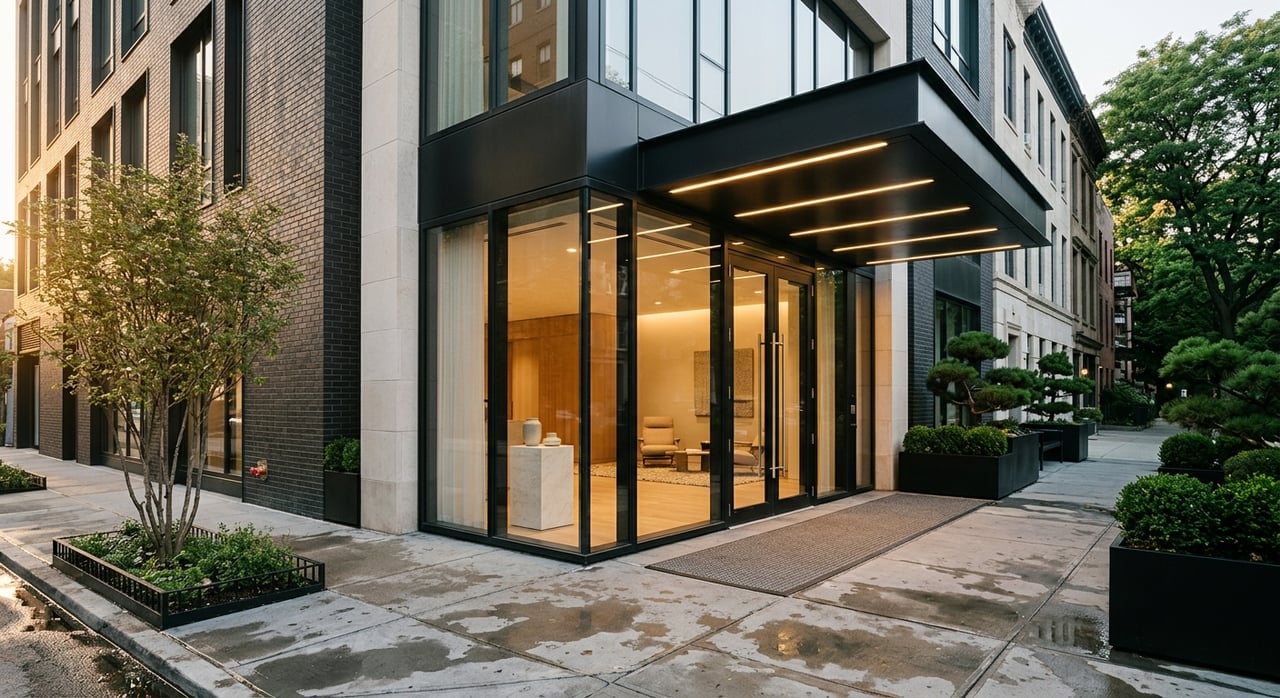
- Waterfront condos and co-ops in mid- to high-rise buildings with amenities.
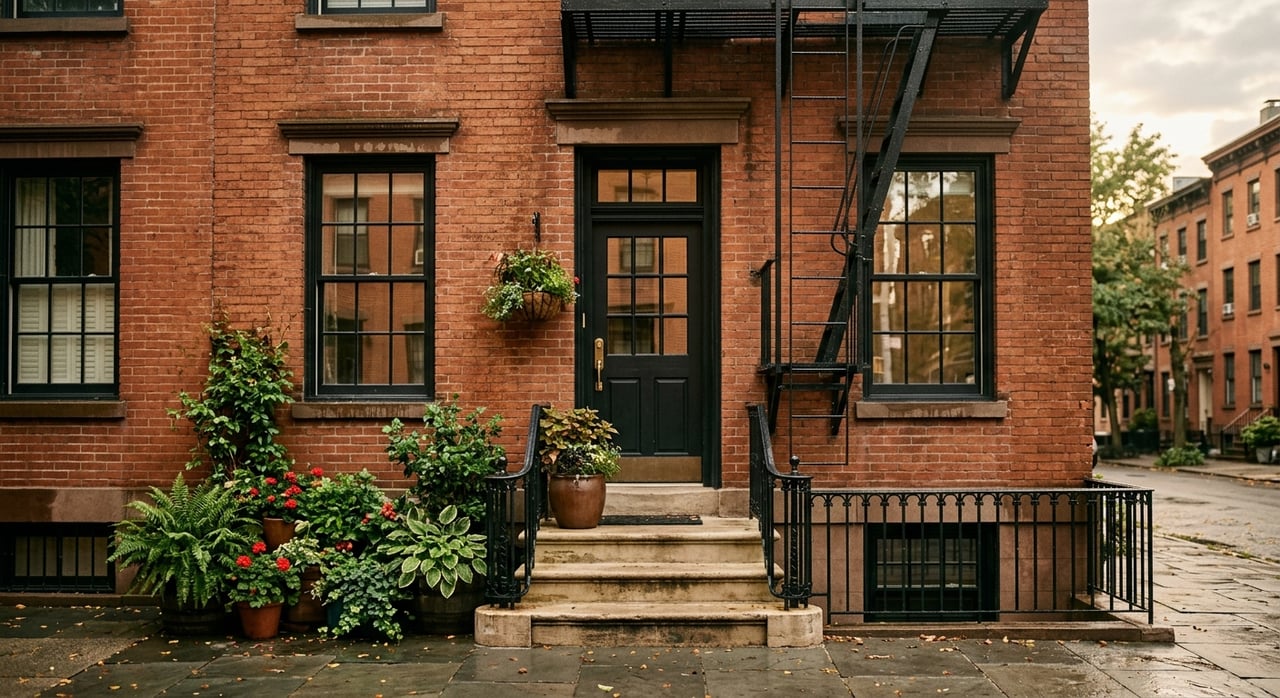
- Prewar brownstones and three- to four-story walk-ups on interior streets.
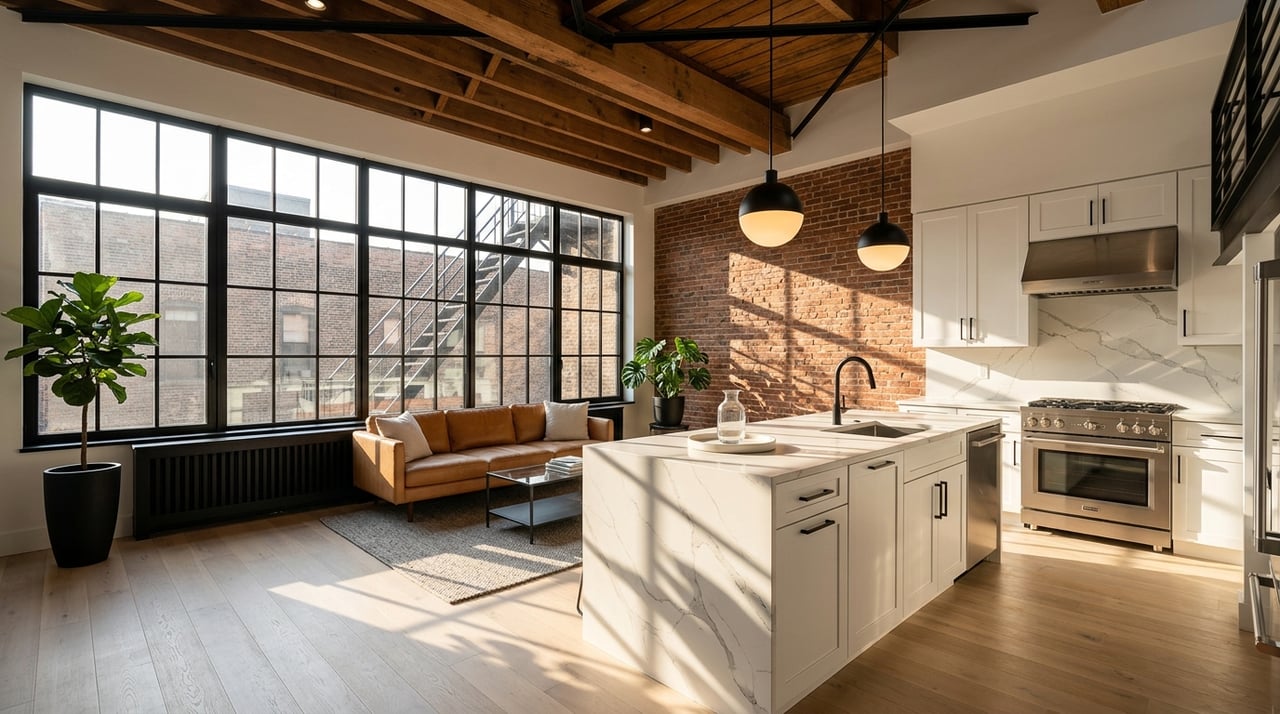
- Renovated lofts and mid-century townhouses scattered throughout.
Many homes are one- or two-bedroom layouts ideal for singles and couples. Family-size homes exist in both townhouses and larger condos, but they are less common and command a premium.
Renting vs. owning
The rental market is competitive, especially for Manhattan commuters seeking proximity to transit. Listings ebb and flow with the season, and furnished short-term options are available for corporate relocations. On the ownership side, well-located condos and townhouses draw strong interest. When you evaluate monthly costs, account for HOA or condo fees, New Jersey property taxes, and homeowners insurance in addition to your mortgage.
Cost tradeoffs to consider
- Relative value: On a per-square-foot basis, Hoboken often compares favorably to Manhattan, though it is pricier than many New Jersey suburbs. You trade a bit of space for walkability, transit access, and neighborhood convenience.
- Fees and taxes: New Jersey property taxes can be significant. Transfer taxes and closing costs differ from New York. Consult a local real-estate attorney and tax advisor for current figures.
- Parking: On-street parking is regulated and can be scarce. Many buildings charge extra for garage spaces. If you plan to keep a car, budget for permits, monthly garage costs, and tolls.
Day-to-day life and conveniences
Parks and the waterfront
Hoboken’s waterfront is the city’s front yard. The Hudson River Waterfront Walkway connects a series of piers, promenades, and green spaces with sweeping skyline views. You’ll find playgrounds, lawns, jogging and bike paths, and seasonal programming that brings neighbors together. Smaller pocket parks dot the interior blocks, so green space is never far from home.
Food, coffee, and shopping
Washington Street anchors the retail and dining scene with cafes, bakeries, restaurants, and boutiques. Expect a lively brunch culture, an active evening dining scene, and plenty of spots for a quick coffee or midweek takeout. Grocery shopping is straightforward with several full-service supermarkets and specialty shops. Some residents still make occasional cross-river trips for niche items, but most needs are met locally.
Schools and childcare basics
Hoboken Public Schools serve K–8 within the district, and Hoboken High School serves older students. Performance can vary by year, so families typically review New Jersey Department of Education report cards and district materials when evaluating options. There are multiple private preschools, childcare centers, and religious schools. Waitlists can be common, so it helps to research and plan early.
Healthcare and safety snapshot
Hoboken University Medical Center provides local hospital care, and you can access additional hospitals and specialists in nearby Jersey City and Manhattan. Primary care, urgent care, dental, and specialty offices are available in and around the neighborhood. Hoboken is generally perceived as safe for a dense, transit-rich city. For specific crime statistics and trends, review official law-enforcement data and city resources.
Community and culture
A small-city, big-neighborhood feel
Hoboken blends an intimate neighborhood vibe with urban energy. Volunteer groups, neighborhood associations, and community meetings keep civic life active. The street grid brings people together on sidewalks, parks, and waterfront piers, so it’s easy to settle into a routine and meet neighbors.
Events, arts, and weekends
Seasonal farmers’ markets and pop-ups enliven local parks. Annual festivals, live music, and family-friendly activities draw residents and visitors. Art galleries, public art, and small venues add creative texture. Expect more foot traffic during major events and warm weekends along the waterfront.
Commute tradeoffs to weigh
- Time vs. money: PATH is usually the most cost-effective daily commute. Ferries can win on comfort and door-to-door speed for some Midtown offices but cost more.
- Reliability and redundancy: Multiple modes are a major advantage. If one line faces delays, another can keep you moving. Weather and maintenance can affect any mode, so a backup plan is smart.
- Hybrid schedules: If you go into the city a few days a week, Hoboken’s quality of life becomes a strong draw. You can enjoy more space and parks without losing access to Manhattan.
Family-focused tradeoffs
- Schools and childcare: Good options exist, though demand can be high. Review school zones, enrollment timelines, and preschool waitlists early.
- Space and location: Larger townhouses and multi-bedroom condos exist but are limited and command premiums. Many families choose smaller, well-located homes near parks and transit.
- Outdoor time: With the waterfront promenade and plentiful pocket parks, getting outside is easy even on busy weekdays.
Car ownership and parking
Many residents live car-free thanks to transit, walkability, and bikeability. If you keep a car, understand the local permit rules and posted regulations. Private garage spaces are available in some buildings and through nearby garages, typically at an added monthly cost. Driving into Manhattan adds tolls and parking fees; travel time can swing significantly at peak hours.
Who Hoboken fits best
Hoboken often works well if you:
- Want a quick commute to Midtown or downtown with multiple transit backups.
- Value walkability, parks, and a strong dining scene.
- Prefer a compact city feel over a typical suburb.
- Are open to trading some space for location, convenience, and amenities.
How to test-drive the lifestyle
Try this quick checklist
- Commute rehearsal: Do your full door-to-door commute during a weekday rush using your top two modes. Time both ways.
- Evening vibe check: Visit on a weeknight and a weekend to gauge noise levels, restaurant wait times, and street activity near potential buildings.
- Morning routine: Walk to the nearest coffee shop, grocery store, and pharmacy to see how the daily rhythm feels.
- Park circuit: Tour the waterfront and a few pocket parks. If you have kids, try a playground at peak times.
- School and childcare research: Review district materials and reach out to programs early about enrollment timelines.
- Parking reality: If you will keep a car, scout resident-permit areas and garage options near your target blocks.
Working with a cross-Hudson advisor
If you’re weighing value, commute, and lifestyle across Manhattan and the Hudson Waterfront, you benefit from a team that navigates both markets every day. With boutique attention and the marketing reach of a major brokerage, you get senior-level guidance on pricing, negotiation, and strategy whether you are renting a first Hoboken condo or trading a Manhattan loft for a waterfront home. When you are ready to compare buildings, evaluate HOA structures, or decode tax and transfer differences between New York and New Jersey, we’ll guide you through every step.
Ready to explore Hoboken on your terms? Reach out to Bill and Guy for tailored advice, on- and off-market opportunities, and a clear plan for your cross-river move.
FAQs
How long does a Midtown commute from Hoboken take?
- It depends on your mode and office location. PATH offers frequent service to 33rd Street during peak times, while ferries can be faster door to door for some Midtown offices at higher cost. Always verify current schedules before you go.
Is car-free living realistic in Hoboken for Manhattan workers?
- Yes. Many residents rely on PATH, ferries, buses, bikes, and walking. If you do keep a car, factor in permits, garage costs, and tolls for Manhattan trips.
What housing types are most common in Hoboken?
- You’ll see many condos and co-ops near the waterfront, plus prewar brownstones, townhouses, and walk-ups on interior streets. Larger family-size homes exist but are less common and command premiums.
How do schools and childcare work for new residents in Hoboken?
- Hoboken Public Schools serve K–12, and there are private and parochial options. Families often review state report cards, visit schools, and join preschool waitlists early due to demand.
What’s the everyday vibe near Washington Street and the waterfront?
- Washington Street is the main dining and retail corridor with active evenings and weekends. The waterfront hosts parks and promenades with skyline views and seasonal events. Visit at different times to gauge foot traffic and noise levels near your target blocks.