Is there a right moment to bring a Manhattan townhouse to market? When you are selling a rare asset, timing your launch can shape interest, price, and the path to closing. You want a plan that captures peak buyer attention without risking avoidable delays. In this guide, you will learn why spring often wins, when off-season can shine, and how to prepare step by step so your listing hits the market ready to perform. Let’s dive in.
Why spring brings peak demand
Spring is the most active season for Manhattan home searches. Buyer traffic typically builds in late winter, peaks from March through May, then tapers into summer. That surge matters even for townhouses, a niche segment with limited supply and a specialized buyer pool.
Several factors support spring timing:
- More active buyers, which can improve your odds of multiple offers.
- Family buyers often aim to move in summer, so they shop in spring.
- Corporate relocation cycles tend to ramp up in spring.
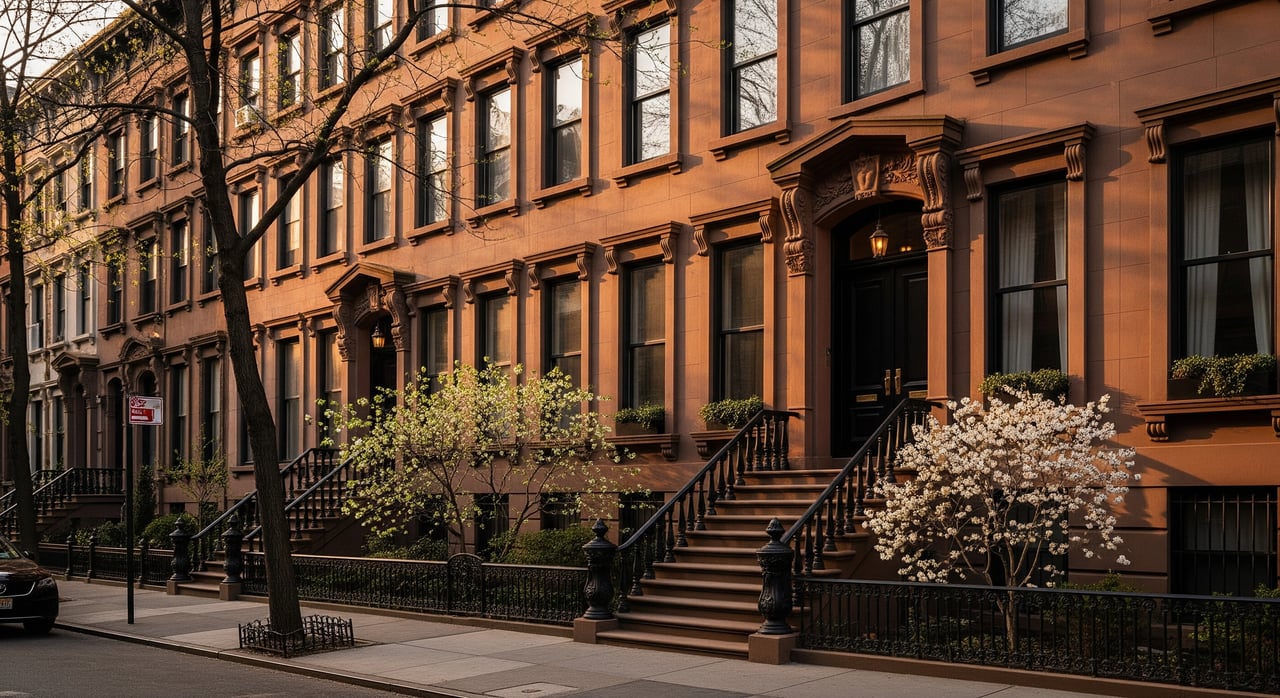
- Curb appeal improves as weather warms, which helps façades, stoops, gardens, and roof decks show their best.
If your home is market ready, listing in late February to May usually maximizes exposure and momentum.
When off-season can work
Selling in winter or over the holidays can still deliver a strong result under the right conditions. Serious buyers are still in the market, there is often less competition, and some high-end or investor purchasers prefer a quieter environment. The trade-off is a smaller buyer pool, which can mean fewer competing offers. If you want maximum price leverage, spring is usually the safer bet.
Know your buyer and tailor timing
Owner-occupiers and families
These buyers often plan around the school calendar. Listing in spring helps them close before summer and move on a cleaner schedule.
High-net-worth and international buyers
Many of these buyers act year-round. They focus on lifestyle, quality, and discretion. Strong presentation and clear documentation can prompt swift decisions regardless of month.
Developers and investors
They evaluate zoning, unit count, violations, and construction timelines. If your property offers conversion or income potential, timing is flexible, but precise documentation and permit clarity are essential.
Financing realities
Cash is common at the upper end, yet numerous buyers use jumbo loans. Lenders scrutinize legal unit status, any DOB or HPD violations, condition, title, and surveys. Clearing issues before launch widens your buyer pool and shortens closing.
Prep timelines to hit Q1–Q2
Your timeline depends on the scope of work. Use these schedules to align your launch with peak demand.
Scenario A: Cosmetic prep, 4–8 weeks
- Weeks 8–6: Choose your broker, do a pre-listing walkthrough, order a preliminary title search, and book photos and floor plans.
- Weeks 6–4: Complete paint and light repairs, deep clean, declutter, and stage.
- Weeks 3–2: Final staging, professional photography, twilight shots, and marketing materials.
- Week 1: Soft outreach to buyer agents, broker previews, then list to target late February or March.
Scenario B: Moderate updates, 3–6 months
- Months 6–4: Get contractor estimates, define scope, confirm if permits are needed, and apply if required.
- Months 4–2: Complete visible work and any needed inspections for code compliance.
- Months 2–1: Stage, photograph, and prepare listing materials.
Scenario C: Major work or permits, 6–12+ months
- Months 12–9: Hire architect or engineer, engage DOB or HPD as needed, and file permit applications.
- Months 9–3: Construction and inspections, cure violations, and confirm compliance.
- Months 3–1: Final touches, secure all documentation, then produce photos and marketing assets.
If major work will not finish before spring, consider whether an as-is spring listing with a documented scope and contractor bids will attract developers or investors. Otherwise, aim for the next peak cycle.
Two-month tactical checklist
- Hire a listing broker with neighborhood townhouse experience.
- Order a pre-listing title search to flag liens and easements.
- Schedule a pre-listing inspection for structure and pests, then get repair estimates.
- Address clear violations, or disclose and present remediation plans.
- Declutter, depersonalize, and stage key rooms, especially the parlor floor, kitchen, and primary suite.
- Book a photographer, floor plan provider, and a virtual tour.
- Assemble a broker packet: surveys, permits, utility bills, tax assessments, HVAC service history, deed, and any certificates of occupancy.
- Decide with your broker on a public launch or a short private preview.
Listing strategy and marketing for townhouses
Public versus private launch
Public spring listings maximize exposure and can create competitive pressure. A pocket listing can preserve privacy, test pricing within a broker network, and target qualified high-net-worth buyers, but may reduce the chance of bidding premiums.
Visual marketing that sells
Use expert interior and exterior photography, twilight façade and garden shots, accurate floor plans, and a polished virtual tour. These assets build confidence, especially for out-of-market buyers.
Drone alternatives and compliance
Drone operations over Manhattan are tightly regulated. Opt for elevated roof shots where permitted and professional street-level imagery to highlight the façade and block appeal.
Release timing for maximum exposure
Time your listing to go live late in the week, just ahead of broker tours and weekend showings. Pre-market broker previews can build anticipation and early momentum.
Pricing, competition, and trade-offs
Spring offers a larger buyer pool, which can increase the odds of multiple offers for well-presented townhouses with limited competition. Off-season may bring less competition and more focused buyers, yet expect fewer bidders. Proper pricing against current comparables and upcoming inventory is crucial in any season. If your home is move-in ready with clean documentation, spring launch timing is often the most effective.
Showing and documentation essentials
Townhouse showings are typically appointment based. If you have tenants, line up clear access windows in advance. To reduce friction, prepare the materials buyers expect:
- High-quality photos and precise floor plans suited to townhouse layouts.
- Clear details on legal unit count and any past conversions.
- A summary of DOB and HPD violation history and current status.
- Zoning and any easements, plus roof or garden documentation if relevant.
- A recent inspection report and, if needed, contractor estimates for repairs.
Being proactive on documentation improves buyer confidence and can shorten negotiations.
Closing timeline and what to expect
Townhouses can require longer diligence than condos or co-ops. Inspections, title review, and any required cures for violations take time. In strong spring markets, a well-priced, well-documented townhouse can go under contract within weeks, but unique properties or slower markets can take months. Build flexibility into your plan, and keep your paperwork organized to move swiftly once you accept an offer.
Manhattan townhouse selling calendar
- August to October: If major work is needed for spring, start planning, secure professionals, and begin permits.
- November to January: Tackle repairs and compliance items, assemble documents, and plan staging and photography.
- Late February to May: Launch publicly or roll out a short private preview first, then go live with full marketing to capture peak traffic.
- June to July: Aim for closings that align with summer move schedules when possible.
Final thoughts
For most sellers, the best window to sell a Manhattan townhouse is late February through May. That is when buyers are most active, your outdoor spaces show well, and your listing can benefit from broad market momentum. If you need more time to resolve permits or violations, invest in finishing the work rather than rushing to market, then target the next spring cycle.
When you are ready, get tailored guidance, a pricing strategy, and a launch plan built around your townhouse’s unique strengths. Reach out to Bill and Guy to request a complimentary home valuation and a bespoke selling strategy.
FAQs
When is the best month to list a Manhattan townhouse?
- Aim for late February through May, with March and April often delivering the strongest buyer traffic and showing activity.
Does selling in winter hurt my price compared with spring?
- Winter can yield solid results due to lower competition and motivated buyers, but the buyer pool is smaller, which can mean fewer competing offers.
How far in advance should I start preparing for a spring sale?
- Start 6 to 12 months out if permits or major work are involved, otherwise allow at least 4 to 8 weeks for cosmetic prep, staging, and documentation.
What documents do townhouse buyers expect before making an offer?
- Provide deed and title records, surveys, legal unit status or CO, DOB and HPD violation history, permits, recent inspection reports, and utility and tax information.
How are townhouse sales different from condos or co-ops in Manhattan?
- Townhouses often require deeper diligence on legal status, violations, and structure, and closings can take longer due to inspections and title complexity.
How long does it take to close on a Manhattan townhouse after an accepted offer?
- Timelines vary, but you should expect longer diligence than a condo or co-op, with well-prepared deals closing faster when documentation is complete.