Thinking about a Hoboken condo but unsure how inventory, prices, and speed are shifting block by block? You are not alone. In a market where desirable homes can move quickly, reading the numbers with confidence is the difference between landing the right home and missing it. In this guide, you will learn how to interpret inventory, median pricing, price per square foot, and days on market, plus how waterfront units differ from interior blocks. You will also get practical budgeting tips and a simple way to request a current, building-by-building snapshot. Let’s dive in.
Hoboken market snapshot framework
Use this simple, repeatable snapshot to understand the market at a glance. Pull each data point for the last 30, 90, and 365 days, then compare to current actives.
- Active listings and new listings: How many condos are for sale and how many have been listed in the last 30 and 90 days.
- Absorption and months of inventory: Closed sales over the last 30–90 days divided into active inventory to see supply versus demand.
- Median sale price and PPSF: Price level and a normalized value for apples-to-apples comparisons.
- Median days on market and sale-to-list ratio: Sales velocity and pricing discipline.
If you want the newest numbers as of today, ask for a custom MLS pull segmented by waterfront versus interior and by bedroom count.
How to read Hoboken condo data
Understanding a few core metrics will help you move faster with more confidence.
Inventory and absorption
Inventory tells you how many options you have right now. Absorption shows demand by comparing recent closings to existing supply. Months of inventory is a helpful summary: active listings divided by average monthly closed sales over the last three months. Shorter months of inventory signal tighter conditions for that product type.
Median price vs PPSF
Median sale price gives the middle of the market for a period, which helps smooth out outliers. Price per square foot is your best cross-check for value across buildings and neighborhoods. Use finished interior square footage from listings or public records. If square footage is missing or inconsistent, exclude that sale from PPSF comparisons.
Days on market and sale-to-list
Median days on market shows how quickly buyers are acting. Pair it with the sale-to-list ratio to see how close final prices land to asking. Well-priced, move-in-ready 1 to 2 bedroom condos in strong locations tend to sell quickly with minimal discounting.
Waterfront vs interior: what changes and why
Hoboken’s waterfront commands attention and often a premium. Interior blocks deliver value and a calmer carrying-cost profile. Here is how to think about the differences.
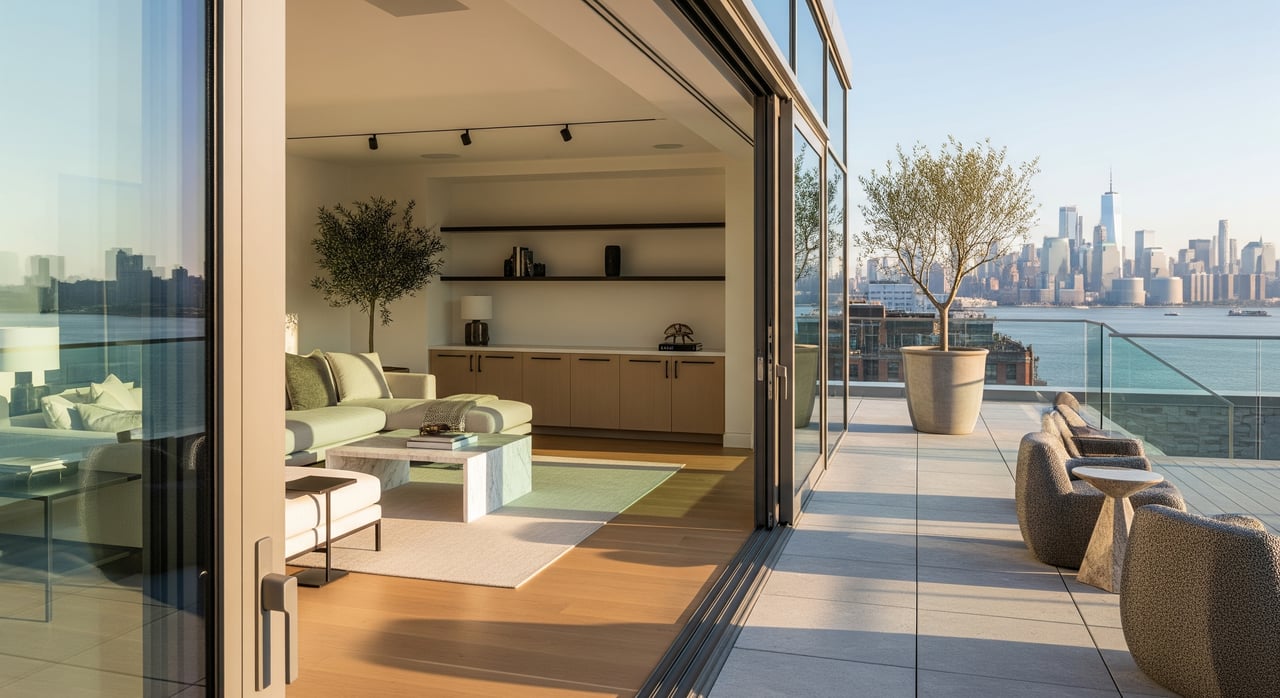
- Price and PPSF: Waterfront homes with unobstructed Hudson River views usually carry a premium. A double-digit premium is common in riverfront markets, with variability by building, floor, view corridor, outdoor space, and parking.
- Velocity: Newer waterfront buildings with views and full amenities often show faster velocity when priced to recent comps. Units with higher fees or lower-floor flood exposure can take longer.
- Inventory patterns: Waterfront supply can spike when a new building delivers. Interior inventory is more distributed across smaller buildings and walk-ups, which can limit like-kind options in a given week.
- Carrying costs: Waterfront full-service properties typically have higher HOA fees and, on lower floors or specific zones, added flood insurance costs. Interior buildings often have lower fees, especially in elevator or walk-up properties without doorman-level amenities.
- Risk and insurance: Verify flood exposure before you bid. The FEMA Flood Map Service Center is a good starting point. Elevation, floor level, and building mitigation measures matter for both risk and insurance.
Product types: bedroom mix and building style
Hoboken offers a wide mix of homes that behave differently in the market.
- 1 bedroom: Entry to mid-tier buyers and investors. Velocity is strongest when move-in ready, near PATH or ferry, with in-unit laundry and some storage.
- 2 bedroom: Bread-and-butter move-up product for couples and young families. Parking, outdoor space, and building amenities can drive significant premiums and faster sales.
- 3 bedroom and larger: Thinner pool of buyers but strong demand for well-located, turnkey layouts. River views and terraces matter. Price sensitivity is higher because total monthly carry is higher.
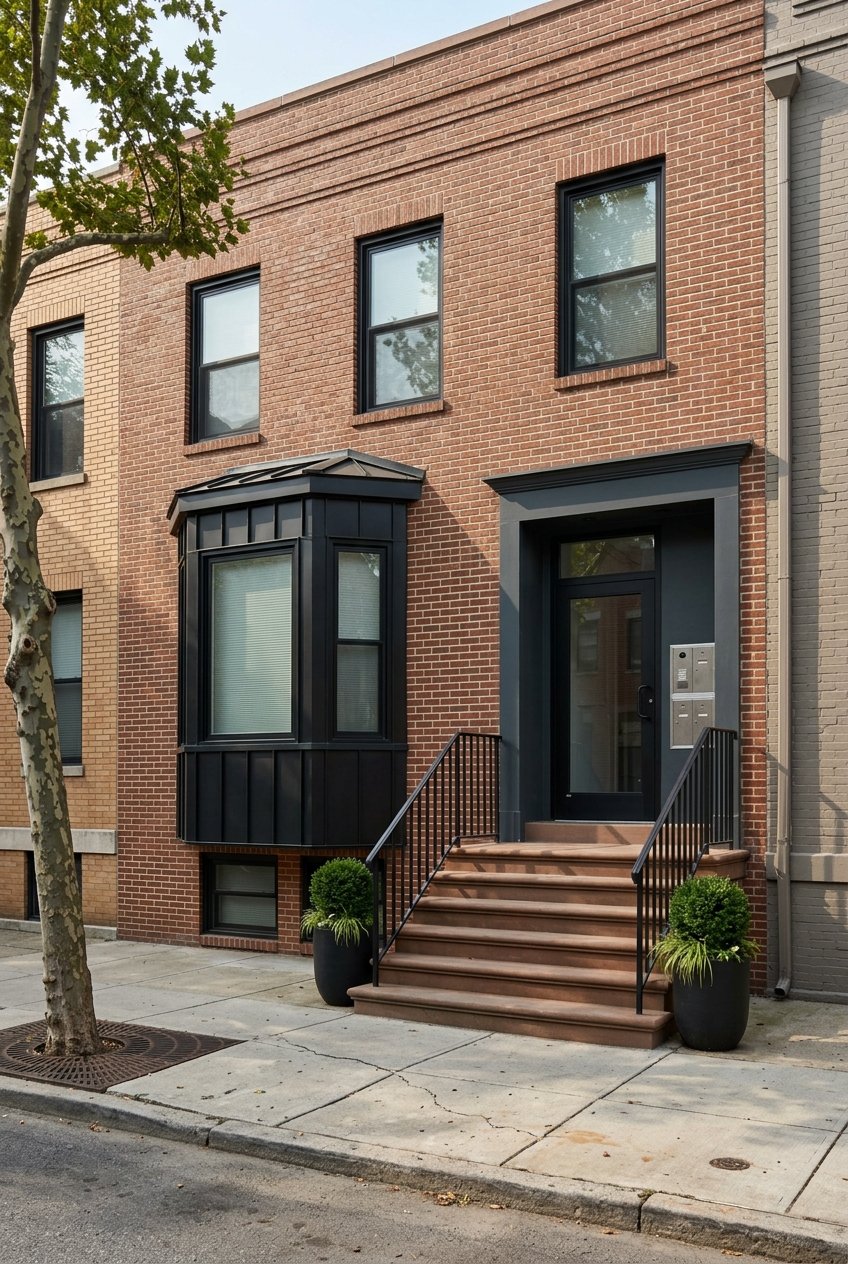
- Newer construction vs older walk-ups: Post-2000 elevator buildings with parking and amenities command higher PPSF. Older walk-ups can offer compelling price-per-foot value with lower monthly fees, balanced by fewer amenities.
When you compare units, match like-for-like: same bedroom count, similar building age and amenities, comparable floor height, and similar view quality.
What sells fast right now
“Desirable product” in Hoboken has a clear profile. If you are buying or selling, align with these traits.
- Move-in ready 1 to 2 bedroom layouts with efficient floor plans
- Parking or convenient, secure garage options nearby
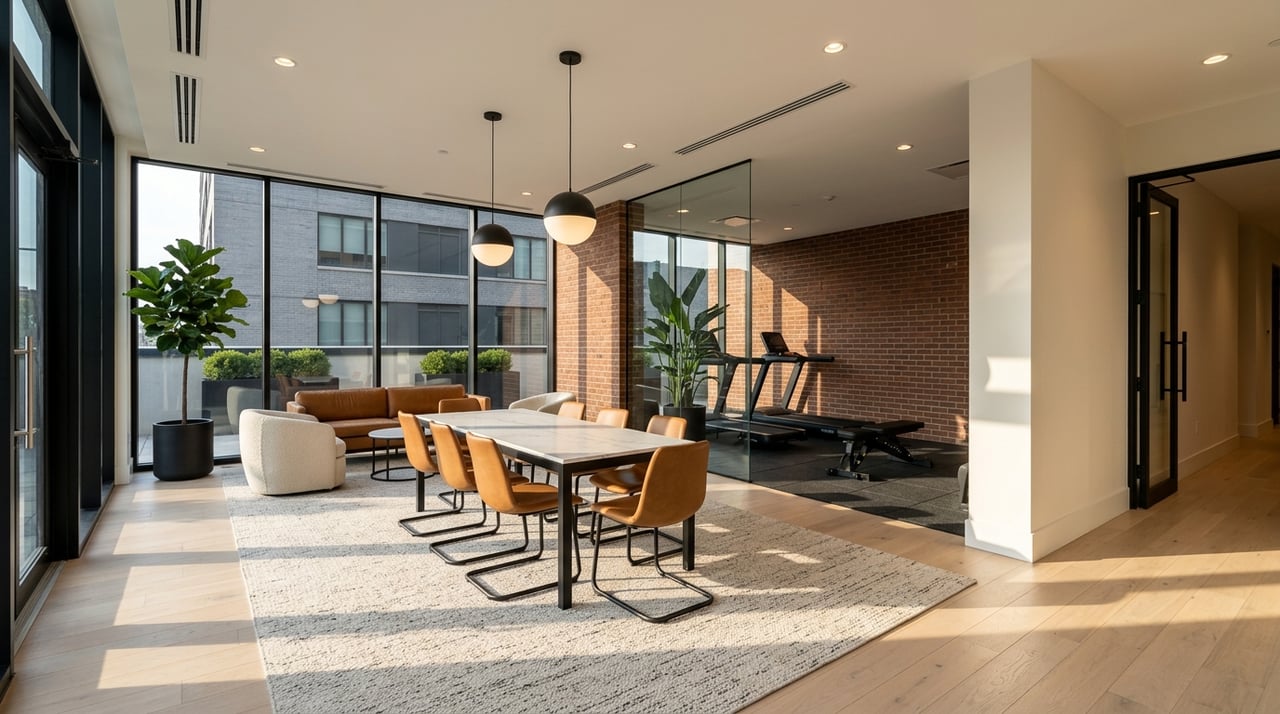
- Elevator access, in-unit laundry, and storage
- Strong micro-location near PATH, ferry, Light Rail, or Washington Street
- Fair, data-backed pricing relative to the most recent comps in the same building or complex
Units that need heavy work, lack parking, sit on lower floors in higher-risk flood zones, or carry unusually high monthly fees tend to linger. Pricing and presentation can overcome some of these tradeoffs.
Budgeting beyond the purchase price
Plan your total monthly carry before you offer. Here is a simple checklist to keep you on track.
- Down payment and closing costs: Buyers should plan for customary closing costs, which vary by loan type and lender.
- Property taxes: Verify current assessments for the specific unit. Pay attention to any recent reassessment that could change your annual bill.
- HOA or condo fees: Full-service waterfront buildings typically have higher fees that support amenities like doorman, gyms, package rooms, and elevators. Smaller interior buildings may have lower monthly costs.
- Insurance: Standard condo homeowners policies are typical. If the unit is in or near a mapped flood zone, budget for flood insurance as required by your lender. Confirm exposure using the FEMA Flood Map Service Center and by reviewing association documentation on mitigation.
- Parking: On-site deeded or licensed parking adds value and cost. Off-site garage options can fill the gap but affect monthly carry.
For Manhattan buyers: value and commute tradeoffs
Many cross-river buyers prioritize more space at a lower PPSF than comparable Manhattan neighborhoods. Use PPSF to compare value and factor the commute that fits your lifestyle. Properties near PATH and ferry terminals often sell faster because they combine space, amenities, and commute efficiency. If you work hybrid or remote, you may find compelling interior-block value with larger floor plans and lower fees.
For sellers: pricing and prep that win
Your goal is to release the listing into the market with the right price and presentation on day one. Use this checklist.
- Price to the most recent, same-building comps with the same bedroom count and similar floor level, view, and condition.
- Stage and repair proactively so buyers can act quickly without adding renovation uncertainty to their offer calculus.
- If waterfront or near mapped flood zones, provide clear documentation on building flood mitigation and insurance to reduce buyer friction.
- Monitor feedback and traffic over the first two weekends. If you lag the area’s median days on market, realign pricing or marketing.
Methodology and definitions
To make smart comparisons, keep your methods consistent.
- Property type: This guide focuses on condominiums and condo conversions. Co-ops are excluded unless noted.
- Time windows: Compare the most recent 30 days and 90 days to the trailing 12 months to see seasonality and momentum.
- PPSF calculation: Use interior finished square footage only. Exclude terraces and balconies unless square footage is consistently reported across the sample.
- DOM consistency: Prefer cumulative days on market from the MLS so relists do not mask true exposure time.
- Waterfront definition: Classify “waterfront” as properties with an unobstructed Hudson River view or units located within roughly one to two blocks of the riverfront. Confirm with a building-level list of known waterfront complexes and a simple distance buffer.
- Data sources: Local MLS data is the most reliable for DOM, inventory, and sale-to-list ratios. Public records such as Hudson County Clerk records verify closed-sale details. Public-facing sources can add color but may treat relists or square footage differently.
If you need a precise, as-of-today breakdown for your building and micro-location, request a custom MLS snapshot that segments waterfront versus interior, bedroom mix, and building age.
Waterfront vs interior: quick comparison
- Pricing: Waterfront generally carries a meaningful premium, especially for high-floor, view-forward homes with terraces and parking. Interior blocks offer better price-per-foot value.
- Speed: Desirable waterfront inventory can move quickly when priced to recent comps. Interior homes with strong layouts near transit also sell fast.
- Costs: Expect higher HOA fees and potential flood insurance costs near the river. Interior buildings often deliver lower monthly carry.
- Risk: Confirm flood exposure and mitigation details. Elevation, mechanicals location, and association policies all matter.
How to prepare your next move
- Buyers: Get pre-approved, study PPSF by bedroom and building type, and track inventory weekly. Target your top three buildings and be ready to tour and offer quickly on well-priced homes.
- Sellers: Price to the most recent same-building trades, then launch with impeccable photos, accurate floor plans, and clear disclosures. Aim to outcompete the market in week one.
Ready for numbers that match today’s market, building by building? Request a complimentary home valuation and current market snapshot from Unknown Company. You will get a clean, MLS-driven read on inventory, pricing, and velocity across Hoboken’s waterfront and interior blocks so you can act with confidence.
FAQs
How many Hoboken condos are for sale right now?
- Inventory changes weekly, so ask for an MLS pull of current active listings plus the last 30 and 90 days of new listings to see flow as of today.
What is the median price and PPSF for Hoboken condos?
- Use trailing 30, 90, and 365-day medians for closed sales, then compare to active-listing medians to see where asking prices sit relative to trades.
How fast do waterfront condos sell compared to interior blocks?
- Desirable waterfront homes priced to recent comps can show shorter days on market, while higher fees or flood exposure can slow select listings relative to similar interior homes.
What premium should I expect for a river view in Hoboken?
- A double-digit premium is common for unobstructed river views, with the exact lift driven by floor height, view corridor, outdoor space, parking, and building amenities.
How should I budget monthly after I buy?
- Plan for HOA or condo fees, property taxes, standard homeowners insurance, and flood insurance if applicable, plus parking costs and any storage or amenity fees.
Are there flood or insurance risks near the waterfront?
- Check the FEMA Flood Map Service Center and review building mitigation; floor level, elevation, and association policies influence both risk and insurance requirements.