You get one first impression in Brooklyn Heights, and today’s buyer forms it long before they step through the front door. If you are preparing to sell a brownstone here, you are not just listing a historic home. You are positioning a high-value property against polished townhouses, luxe lofts, and turnkey alternatives across Brooklyn and Manhattan. This guide will show you how to present your brownstone for the way buyers actually shop now, from pricing and prep to photography and launch strategy. Let’s dive in.
Understand today’s buyer set
Brooklyn Heights has a rare advantage that still matters in a crowded market: a strong sense of place. The neighborhood is a designated historic district, first designated in 1965, and its architectural consistency remains part of its appeal. That historic identity helps brownstones stand out, but it does not guarantee a premium on its own.
Today’s buyer is also comparing your home against a broad luxury field. StreetEasy describes Brooklyn Heights as one of Brooklyn’s most expensive neighborhoods, with a median sale price of $1.3 million and a median 63 days on market. But that broad number does not reflect the prime townhouse market where many brownstones trade.
In the prime townhouse cluster that includes Brooklyn Heights, Boerum Hill, Carroll Gardens, Cobble Hill, and DUMBO, Brown Harris Stevens reported an average sale price of $4,926,489 in the second half of 2025, with a median of $4,287,521 and an average of $1,485 per square foot. At the same time, there were 62 closings, down 28% year over year. That tells you buyers are active, but more selective.
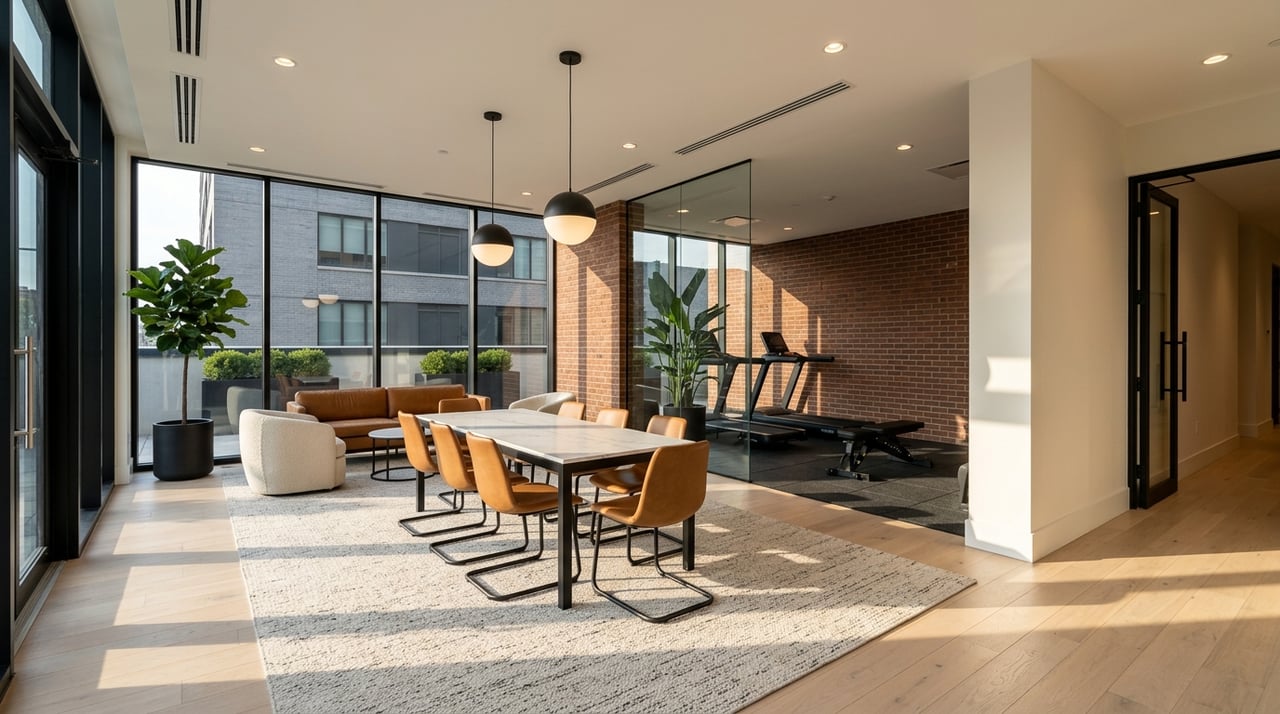
You also need to remember that a brownstone is not only competing with other townhouses. Buyers often cross-shop with loft-style homes in DUMBO, Tribeca, and SoHo, where scale, light, and open layouts are major selling points. If your brownstone feels dark, overly personalized, or hard to understand, it can lose attention quickly even if the location is exceptional.
Price for the first market test
In a selective market, pricing is not the place for wishful thinking. It is the first positioning decision, and it shapes how buyers respond in the critical opening days of the campaign. A brownstone that misses the market early can lose momentum fast.
That matters because buyers begin online. NAR reports that 52% of buyers found the home they purchased online, and 81% said listing photos were the most useful feature in their search. Early views, saves, and shares help determine whether a listing gains traction.
For a Brooklyn Heights brownstone, that means your asking price should be calibrated to the strongest comparable townhouses and luxury alternatives buyers are already considering. It should not be based on the broader neighborhood median alone. The relevant comparison set is much narrower and much more competitive.
The broader Brooklyn market also supports a disciplined approach. Corcoran reported that in the first quarter of 2026, signed contracts in Brooklyn fell 14% year over year, active listings rose 12%, and average days on market reached 87. Buyers are still moving, but they are taking more care, and they have more choices.
The goal is simple: win the first market test, not the second. If you launch at a price that feels compelling relative to nearby townhouses and premium loft alternatives, you have a better chance of creating urgency without needing a public price reduction later.
Plan exterior work early
In Brooklyn Heights, prep work is not just about design. It is also about timing. Because the neighborhood is within a historic district, exterior changes that affect protected features often require review by the Landmarks Preservation Commission.
According to LPC, permits are needed for exterior restoration, in-kind replacement, alteration, reconstruction, demolition, or new construction affecting a landmark or historic-district exterior. LPC also notes that 95% of approvals are issued at staff level, while more substantial changes go to Commission review. Some basic maintenance, such as replacing broken glass or repainting a door the same color, may not require review.
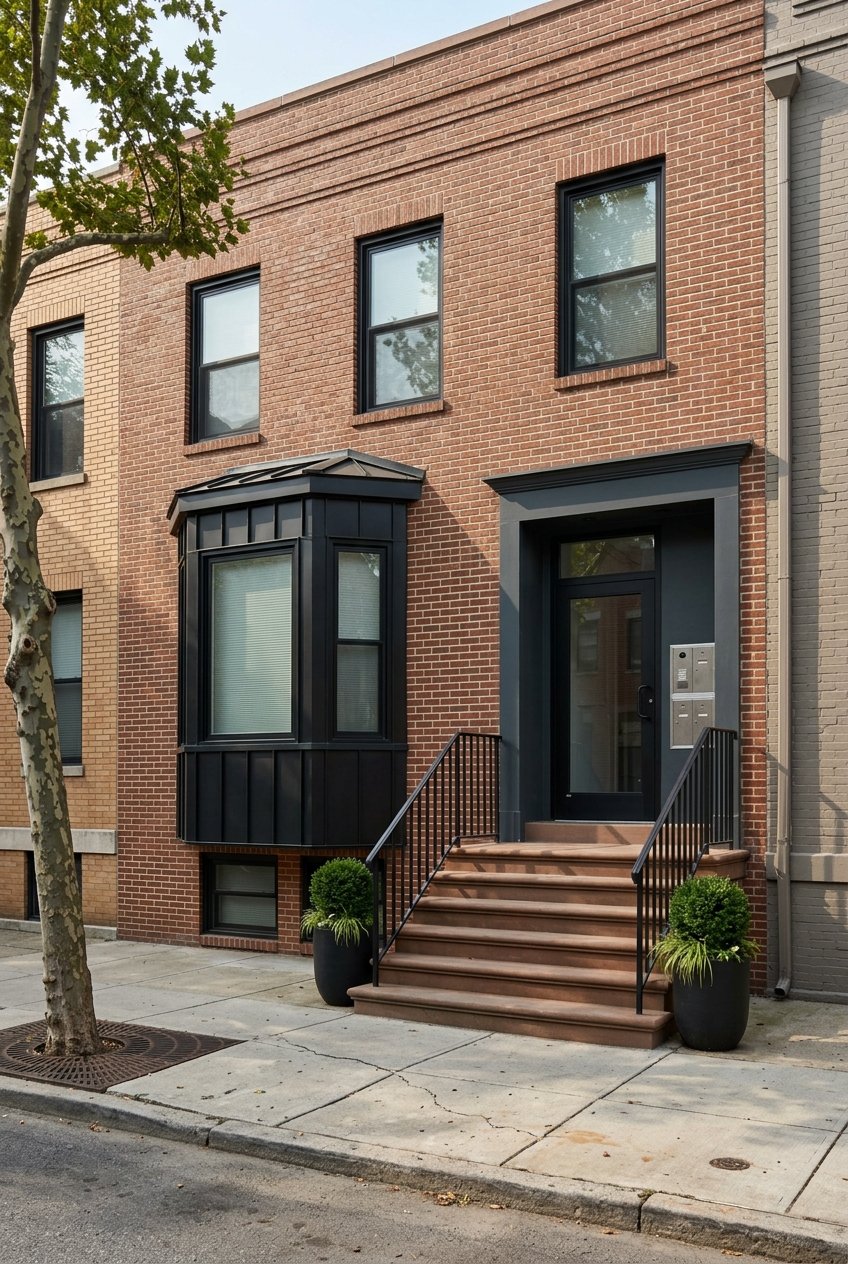
The practical takeaway is important. If you are considering updates to windows, the stoop, masonry, cornice, facade details, or rooftop elements, start those conversations early. Exterior work can affect your photography schedule and launch timing if it is left too late.
For many sellers, this is where a calm, structured pre-listing plan pays off. You do not need to over-improve. You do need to identify anything visible from the street that could create delay, confusion, or buyer hesitation.
Focus prep where buyers notice it most
Not every improvement delivers the same return. In a brownstone, buyers tend to respond best when the home feels architecturally special and immediately usable. The goal is to reduce friction, not create a stage set.
NAR’s 2025 staging profile found that 83% of buyers’ agents said staging makes it easier for a buyer to visualize a property as a future home. The rooms named most important were the living room at 37%, the primary bedroom at 34%, and the kitchen at 23%.
For a Brooklyn Heights brownstone, that points to a clear prep order:
- Entry sequence
- Living room
- Kitchen
- Primary bedroom or suite
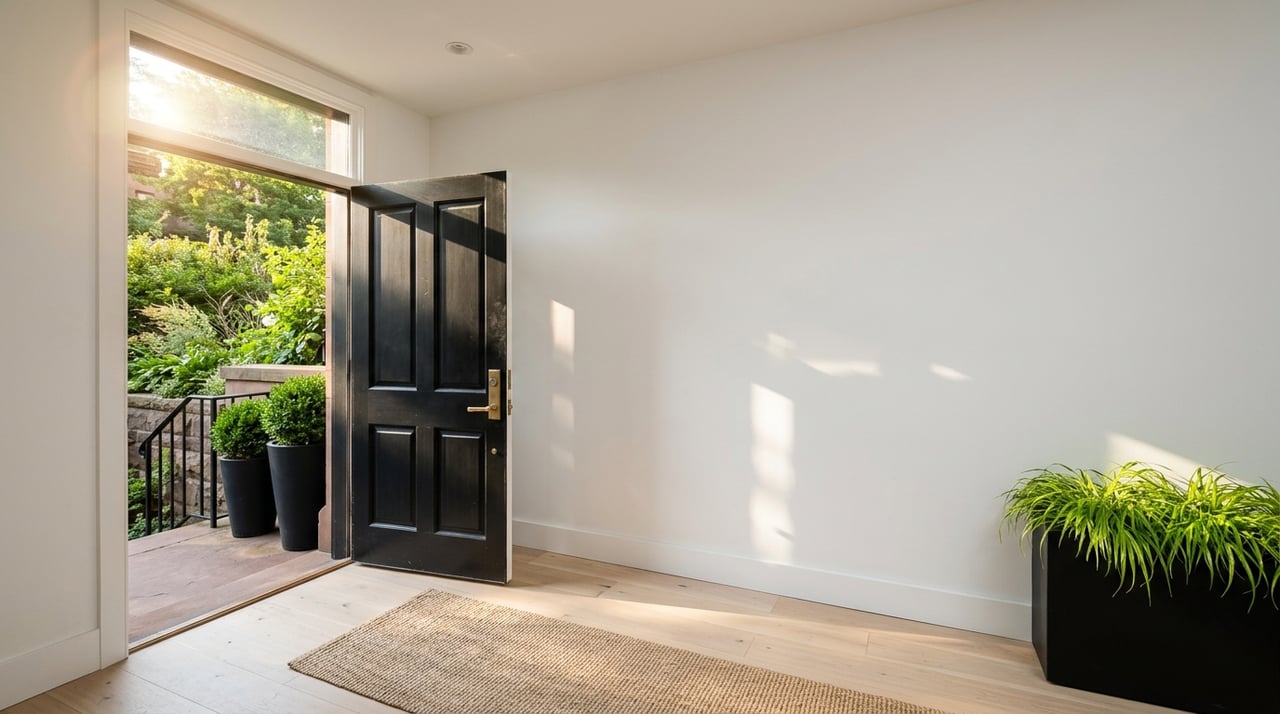
Those spaces do the most work in photos, showings, and memory. If they feel calm, scaled correctly, and move-in ready, the rest of the house tends to benefit.
Sellers’ agents in the same NAR report said the median staging spend was $1,500, and 19% said staging increased the dollar value offered by 1% to 5%. Another 30% reported slight decreases in time on market. In other words, presentation is not fluff. It can help buyers say yes faster and with more confidence.
Make the layout easy to understand
Brownstones offer beauty and flexibility, but they can also raise practical questions. Buyers want to know how the home lives day to day, how the floors connect, and whether the room flow fits their needs. If they cannot answer those questions quickly, they may move on.
That is why floor plans matter so much in this segment. NAR notes that floor plans are the most requested visual asset after listing photos. For a townhouse, they help buyers understand vertical circulation, bedroom placement, entertaining space, and how private and public areas are arranged.
This is especially important when your brownstone is being compared with loft homes. Loft buyers are used to open plans that read clearly in a single glance. A brownstone has a different strength, but that strength has to be explained visually.
A strong floor-plan package helps turn charm into clarity. Instead of wondering whether the layout works, buyers can picture where they would live, work, host, and unwind.
Invest in editorial-quality visuals
If buyers start online, your media package has to act like a first showing. In the luxury segment, that means polished photography is not optional. It is the baseline.
NAR reports that buyers’ agents rated photos as the most important presentation tool, followed by physical staging, videos, and virtual tours. Virtual tours can also help buyers understand how a home functions and whether furniture will fit, which makes them especially useful for larger, multilevel homes.
For a Brooklyn Heights brownstone, the strongest visual campaigns usually do three things well:
- Capture architectural character without making rooms feel smaller or darker
- Show scale, proportion, and natural light honestly
- Explain the home’s flow with photos, floor plans, and motion-based media
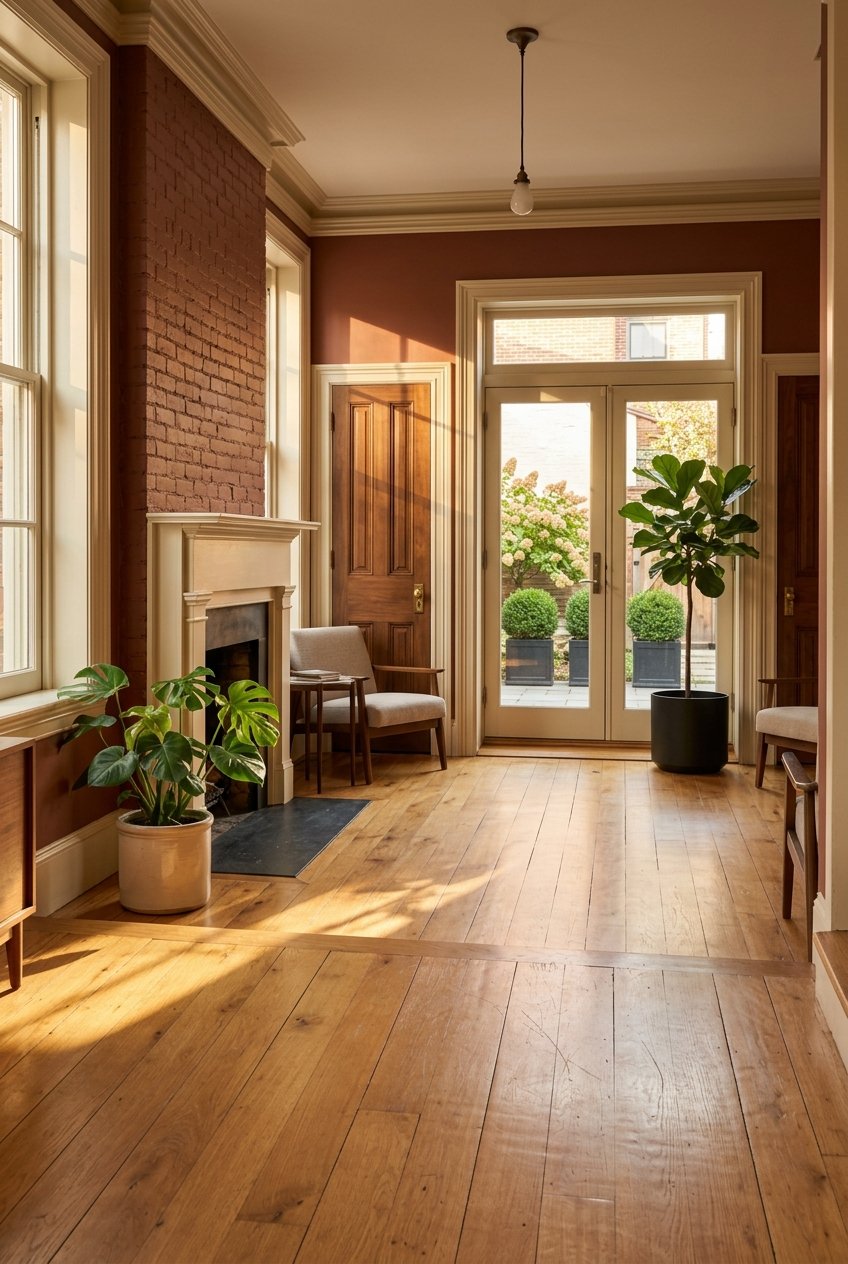
This is where disciplined styling matters. Clean sightlines, measured furniture placement, and balanced lighting help a townhouse feel elegant and current. The goal is to preserve the house’s period charm while presenting it with the clarity buyers expect from top-tier listings.
Launch with coordination and momentum
A listing launch should feel deliberate, not casual. NAR’s guidance on online visibility notes that the first few days after launch can influence whether a property appears again in search results and buyer alerts. That early activity matters.
For that reason, a brownstone launch should be coordinated across every channel you plan to use from day one. The listing copy, photos, floor plans, social presentation, email exposure, and any neighborhood storytelling should all work together. You want buyers to encounter the same clear narrative everywhere they see the home.
That narrative should be simple and strong: this is a distinguished Brooklyn Heights brownstone that also feels easy to live in now. Buyers do not just want history. They want beauty without uncertainty.
In a market where inventory is higher and contracts are slower than a year ago, momentum is a real advantage. The best campaigns create it through preparation, precision, and consistency.
Keep digital enhancements transparent
Luxury buyers expect polish, but they also expect accuracy. If you use virtual staging or materially altered images, transparency matters.
New York’s Department of State has warned that AI-generated or manipulated visuals can create deceptive advertising issues. Brokers are expected to provide an honest and accurate depiction of the property, and internet advertising rules require proper disclosure.
For your sale, this is about more than compliance. It is also about trust. When the online presentation matches the in-person experience, buyers stay engaged. When it does not, confidence can drop quickly.
That is why the best presentation is both elevated and honest. You want buyers to arrive feeling excited and confirmed, not surprised for the wrong reasons.
Position history and usability together
The strongest Brooklyn Heights brownstone listings do not choose between charm and function. They present both. That is the real positioning opportunity in this market.
Your buyer may love original detail, gracious proportions, and a storied block. But that same buyer is also measuring storage, kitchen finish, room flow, light, and how much work the home appears to need. A successful sale brings those considerations together.
If you price against the right competitive set, handle exterior planning early, focus prep on the rooms that matter most, and launch with a clean media strategy, your brownstone can stand out for the right reasons. In a neighborhood as iconic as Brooklyn Heights, careful positioning is often what turns admiration into action.
If you are thinking about selling a townhouse or brownstone and want a tailored strategy for today’s buyer, Bill and Guy can help you position it with discretion, precision, and market-savvy presentation.
FAQs
What makes a Brooklyn Heights brownstone different from other Brooklyn listings?
- Brooklyn Heights brownstones sit within a historic district and often compete in a prime townhouse segment that operates far above the broader neighborhood median, so pricing and presentation need to reflect that narrower luxury market.
How should you price a Brooklyn Heights brownstone for today’s market?
- You should price it against the most relevant nearby townhouse sales and premium alternatives buyers may also consider, rather than relying on the broader Brooklyn Heights median sale price.
Do Brooklyn Heights brownstone sellers need LPC approval before exterior work?
- Exterior work that affects protected features in the historic district often requires LPC review or permits, so sellers should evaluate that scope early in the prep process.
Which rooms matter most when staging a Brooklyn Heights brownstone?
- The living room, primary bedroom, and kitchen are the rooms buyers’ agents most often identify as important, and the entry sequence also plays a major role in a townhouse.
Why do floor plans matter when marketing a Brooklyn Heights brownstone?
- Floor plans help buyers understand vertical circulation, room flow, and floor-by-floor function, which is especially important when a multilevel townhouse is being compared with open loft-style homes.
Can virtual staging be used for a Brooklyn Heights brownstone listing?
- Yes, but any materially altered or AI-generated images should be presented transparently and accurately so the marketing remains honest and compliant with New York advertising expectations.