Wondering how to get top dollar for a historic downtown Jersey City brownstone without stripping away the very details that make it special? If you are preparing to sell, you are balancing two goals at once: presenting the home beautifully and respecting the rules that come with a historic property. The good news is that with the right prep, you can highlight original character, avoid costly missteps, and position your home more effectively for today’s market. Let’s dive in.
Know What Buyers Value Most
In Downtown Jersey City, a brownstone is rarely just about bedroom count or square footage. Jersey City identifies Hamilton Park, Harsimus Cove, Paulus Hook, and Van Vorst Park as downtown historic districts, and the city describes these neighborhoods as a remarkably intact record of 19th-century residential urban architecture.
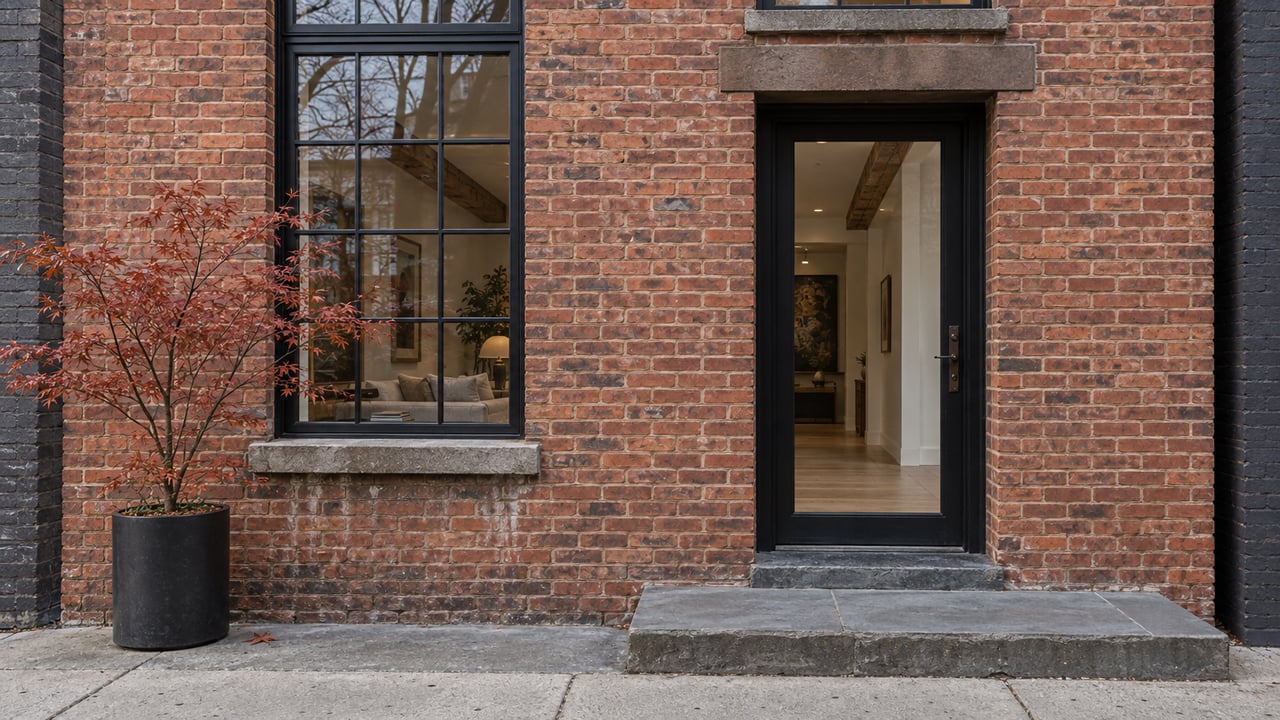
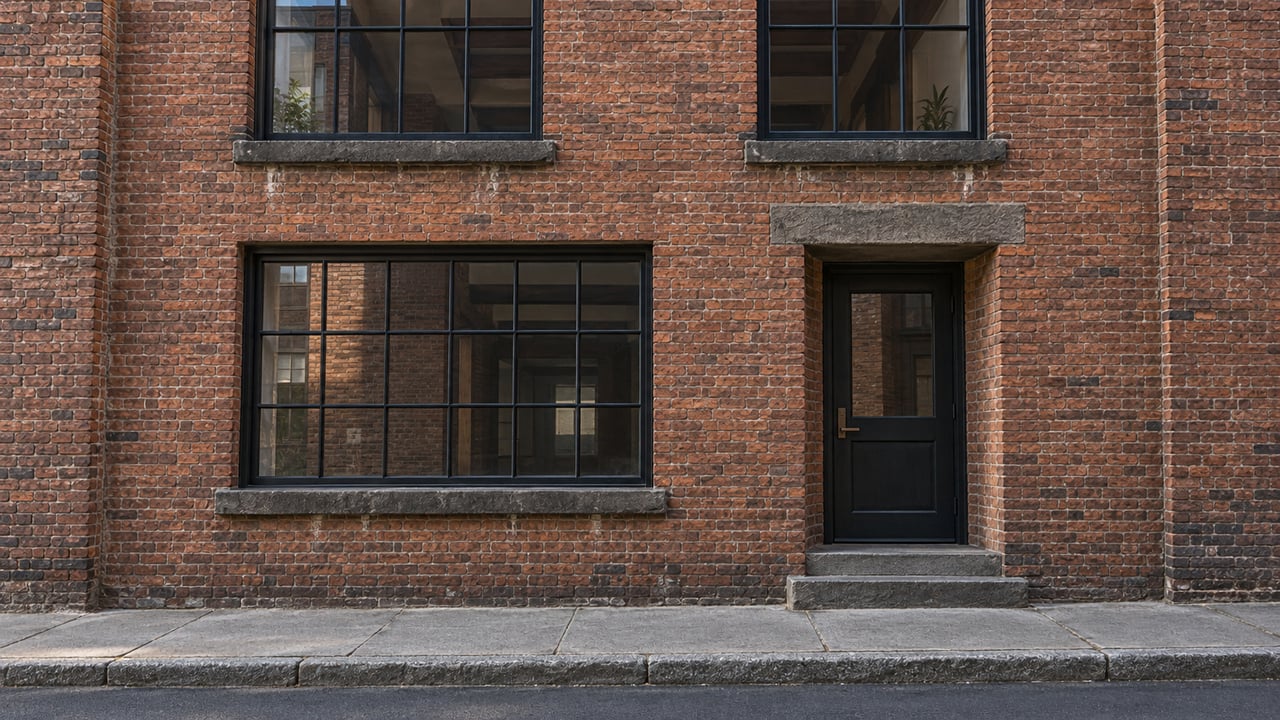
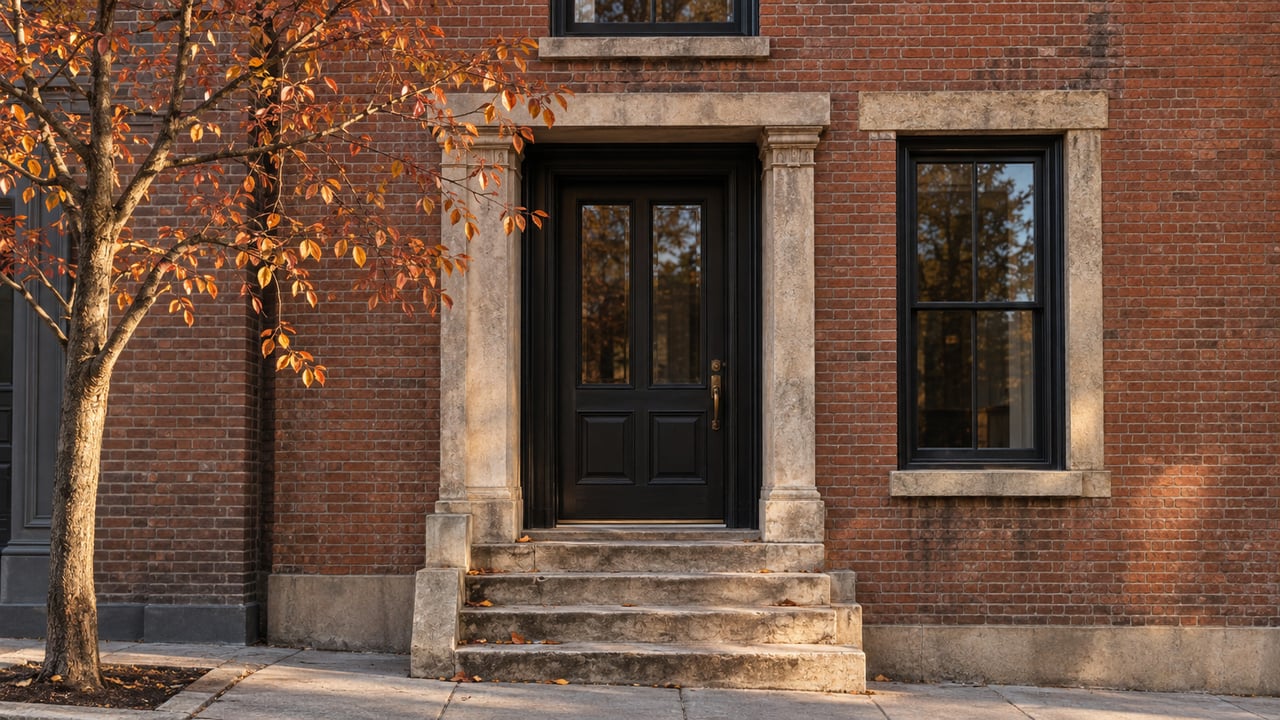
That matters when you sell. Features like stoops, brownstone steps, iron railings, original doors, window surrounds, and classic rowhouse proportions often help define the home’s appeal. In many cases, buyers are responding as much to preserved architectural character and streetscape presence as they are to the floor plan itself.
Start With Historic Approval Rules
Before you schedule exterior touch-ups or facade work, confirm whether your property is in a local historic district or is a landmark building. In Jersey City, a Certificate of No Effect or a Certificate of Appropriateness is required before construction, alteration, minor alteration, ordinary maintenance and repair, or demolition begins on those properties.
This step can affect your selling timeline more than many owners expect. The city’s application instructions say submissions must be filed at least 14 business days before the commission meeting, and the packet may require sketches or drawings, material and color samples, current facade photos, and historic documentation when available.
Why timing matters before listing
If you want to freshen the exterior before going live, start with approvals and documentation, not a contractor quote. Some routine rehabilitation and repair can be handled by staff under a Certificate of No Effect, while work like rear-yard additions, rooftop additions, demolitions, or projects inconsistent with preservation standards generally go to the Historic Preservation Commission.
That distinction matters because even small-looking projects can take longer than expected if they trigger review. For sellers, early planning helps protect both your launch date and your budget.
Preserve Original Details When Possible
Jersey City’s standards emphasize preserving a historic building’s existing form, integrity, and materials. They also favor repairing deteriorated features rather than replacing them whenever possible.
That approach lines up well with how many buyers view downtown brownstones. Original details often read as authentic value, especially in listing photos and private showings where craftsmanship and texture stand out.
Focus on repair over replacement
Before listing, the most effective updates are often the least flashy. Think in terms of stabilization, presentation, and compatibility rather than reinvention.
Smart pre-sale work may include:
- Masonry patching or repointing where appropriate
- Repairing deteriorated brownstone surfaces
- Refinishing or repairing the original front door and hardware
- Checking stoop condition and iron railings
- Repairing windows and trim where possible
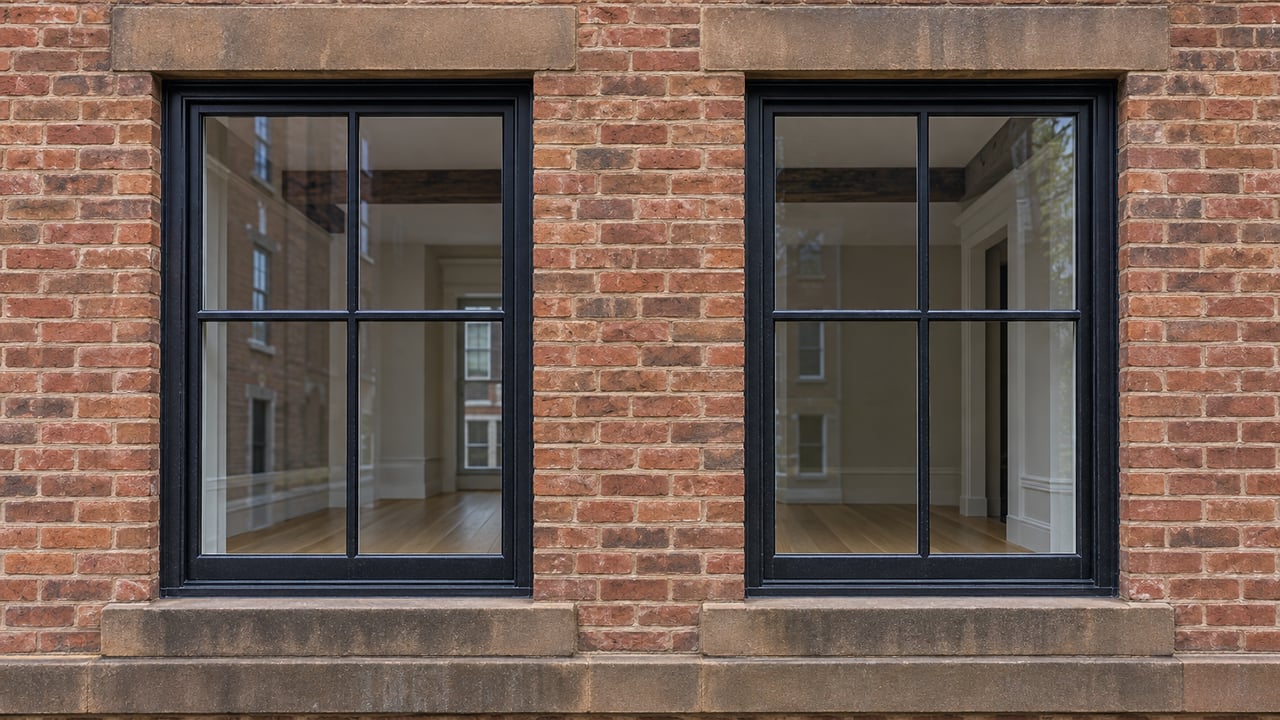
The city’s guidelines note that historic doors may be repaired and refinished in kind, and deteriorated windows can often be repaired instead of replaced. If replacement is unavoidable, new windows and doors should match the historic versions.
Avoid quick cosmetic shortcuts
Not every update helps. Jersey City’s guidelines specifically discourage vinyl and aluminum siding on masonry buildings, and those materials are not permitted on masonry structures. The guidelines also discourage imitation stone or brick facings.
In plain terms, a cosmetic cover-up can work against you. If you are selling a brownstone, preserved masonry, compatible repairs, and sound original features usually tell a stronger story than synthetic materials or facade disguises.
Prioritize the Exterior First
For a historic brownstone, the front facade does a lot of selling work before a buyer even steps inside. Your stoop, entry door, railings, trim, and masonry set expectations for the entire showing.
That is especially important in a visually distinctive rowhouse block. Buyers often compare one brownstone to another based on curb appeal, condition, and how well the historic details have been maintained.
What curb appeal should accomplish
Your exterior prep should make the home look cared for, not overworked. The goal is to present a clean, coherent facade that feels true to the property’s age and architecture.
Before photography and showings, consider:
- Cleaning the entry and stoop area
- Removing visual clutter near the front door
- Touching up historically compatible painted elements, if approved where required
- Making sure railings, hardware, and lighting look neat and functional
- Confirming that facade repairs are complete and properly documented
A polished front entry often has an outsized impact on buyer interest because it frames the first image they see online and the first moment they experience in person.
Declutter So Architecture Leads
When the home has original moldings, doors, stair details, and tall room proportions, your best staging move is often restraint. According to NAR’s 2025 staging survey, the most common seller recommendations were decluttering, cleaning the entire home, and improving curb appeal.
That is particularly useful for a historic brownstone. You want buyers to notice the architecture, not the excess furniture, overfilled shelves, or everyday items that distract from scale and detail.
Stage the rooms that matter most
NAR found that the most important rooms to stage were the living room, primary bedroom, and kitchen. The survey also reported that 83% of buyers’ agents said staging made it easier for buyers to visualize the property as a future home, while 49% of sellers’ agents observed faster sales.
You do not need to over-style every room. In many brownstones, the strongest presentation comes from edited furnishings, clear sightlines, and enough breathing room for original features to stand out.
A practical staging checklist includes:
- Edit furniture to improve flow room to room
- Clear surfaces in kitchen and baths
- Reduce wall clutter so moldings and ceiling height read clearly
- Open window areas to maximize natural light
- Keep color palettes simple so original materials stay center stage
Invest in Photography That Captures Character
Many buyers will decide whether to tour your home based on the listing photos alone. That matters in Jersey City, where the city says close to 50% of residents commute by public transit and many shoppers are screening options efficiently before booking in-person visits.
Professional visuals are especially important for a historic brownstone because texture, proportion, and craftsmanship need to read clearly online. NAR also reported that photos, videos, and virtual tours were highly important to buyers’ agents.
Show both character and convenience
The best marketing for a downtown Jersey City brownstone usually pairs architectural character with practical lifestyle advantages. In addition to capturing the stoop, facade, stair hall, original doors, and formal rooms, your listing should communicate the everyday convenience of downtown transit access.
Jersey City highlights PATH, light rail, buses, ferries, Citi Bike, and on-demand microtransit, while PATH serves Jersey City stations including Exchange Place, Grove Street, Newport, and Journal Square. For many buyers, that combination of historic setting and strong regional connectivity is part of the value equation.
Price by District, Not Citywide Average
One of the biggest pricing mistakes sellers make is relying too heavily on broad Jersey City averages. Recent Redfin data shows meaningful variation across downtown submarkets.
Over the last three months, Jersey City posted a median sale price of $720,000, while Downtown Jersey City was $822,000. Within downtown, Hamilton Park was $905,000, Van Vorst Park was $854,000, Harsimus Cove was $683,000, and Paulus Hook was $1.1 million.
Why brownstone comps need precision
Those gaps show why district-specific comps matter. A brownstone in Paulus Hook does not necessarily behave like one in Harsimus Cove, and a citywide number may miss the effect of block, condition, architectural detail retention, and buyer demand for a specific historic district.
Days on market also vary. Redfin reports about 28 days in Hamilton Park compared with about 86 days in Harsimus Cove, which reinforces the point that not all downtown submarkets move at the same pace.
For a seller, that means the best pricing strategy usually starts with:
- Recent sales from the same historic district
- Similar rowhouse or brownstone property types
- Comparable condition and level of detail retention
- Similar outdoor space, duplex or triplex layout, and overall scale where relevant
Build a Sale Plan Around Timing
Preparing a historic home to sell is rarely a one-week project. If exterior work needs approval, if masonry or stoop repairs are pending, or if the home needs decluttering and photography, your timeline should be built backward from the desired listing date.
That planning matters because presentation and compliance are connected. Rushing into unauthorized work or cosmetic shortcuts can create delays just when you want momentum.
A simple pre-list sequence
A cleaner selling process often looks like this:
- Confirm whether the property falls under local historic review.
- Identify repairs that preserve character and stabilize condition.
- Submit any required approval materials before exterior work begins.
- Complete decluttering, cleaning, and light staging.
- Photograph the home once the facade and key interiors are fully ready.
- Price the property using district- and property-type-specific comps.
This sequence helps you present the home thoughtfully while reducing last-minute surprises.
If you are preparing to sell a downtown Jersey City brownstone, the strongest strategy is usually not to make it look newer. It is to make it look cared for, well-positioned, and true to its architecture, while pricing it with the precision the local market demands. For a tailored plan and a complimentary home valuation, connect with Bill and Guy.
FAQs
What repairs matter most before selling a historic Jersey City brownstone?
- The most seller-friendly repairs are typically the ones that stabilize condition and preserve character, such as brownstone surface repair, masonry patching or repointing where appropriate, front door and hardware repair, stoop and railing checks, and window or trim repair.
Do you need approval for exterior work on a Jersey City historic property?
- Yes. If the home is in a Jersey City historic district or is a landmark building, the city requires a Certificate of No Effect or a Certificate of Appropriateness before covered work begins.
How should you stage a downtown Jersey City brownstone for sale?
- Focus on decluttering, deep cleaning, curb appeal, and light staging in key rooms like the living room, primary bedroom, and kitchen so original architectural details remain the visual focal point.
How do you price a historic brownstone in Downtown Jersey City?
- The most useful approach is to price from recent comparable sales in the same historic district and property type, rather than relying on broad Jersey City averages alone.
Why do downtown Jersey City neighborhood comps matter so much?
- Market data shows meaningful differences among Downtown Jersey City submarkets such as Hamilton Park, Van Vorst Park, Harsimus Cove, and Paulus Hook, so district-level pricing can be far more accurate than citywide benchmarks.