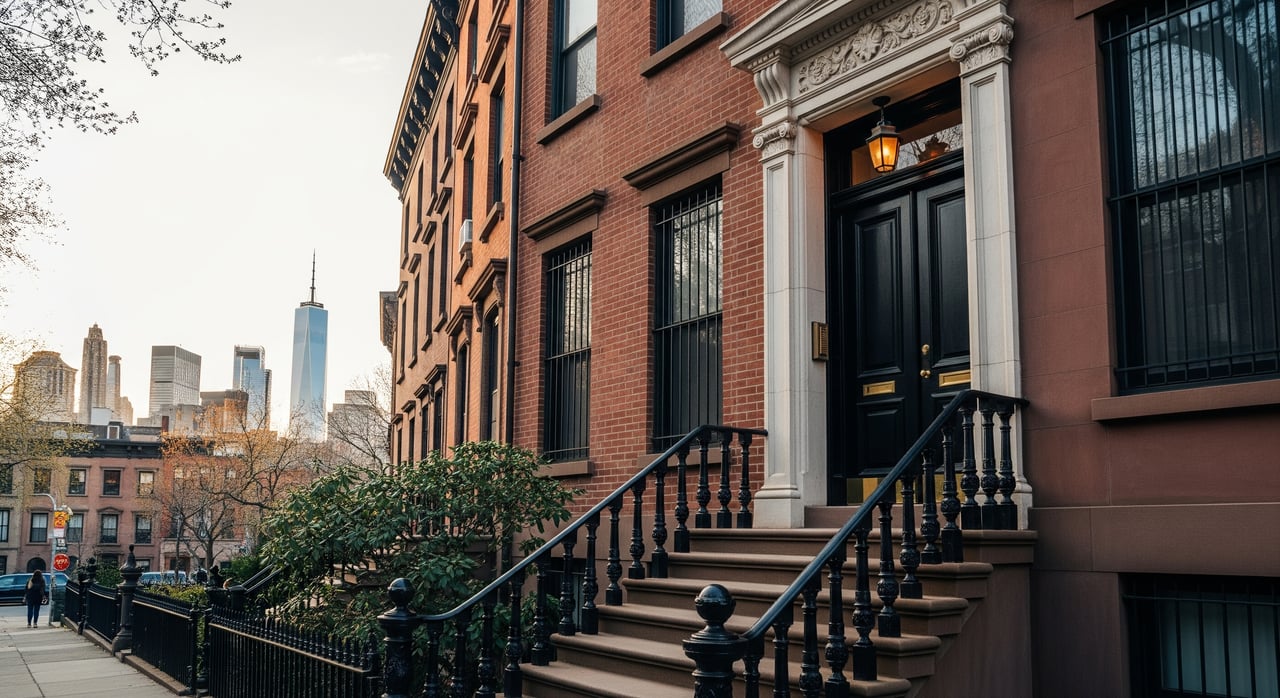
Thinking about a classic Brooklyn Heights brownstone or a sleekly renovated townhouse, but not sure what truly sets them apart? You are not alone. The terms often overlap, which makes decisions about style, ownership, scope of work, and resale feel murky. In this guide, you will get plain-English definitions, what to look for on tours, and a buyer checklist tailored to Brooklyn Heights so you can move forward with confidence. Let’s dive in.
Quick definitions that matter
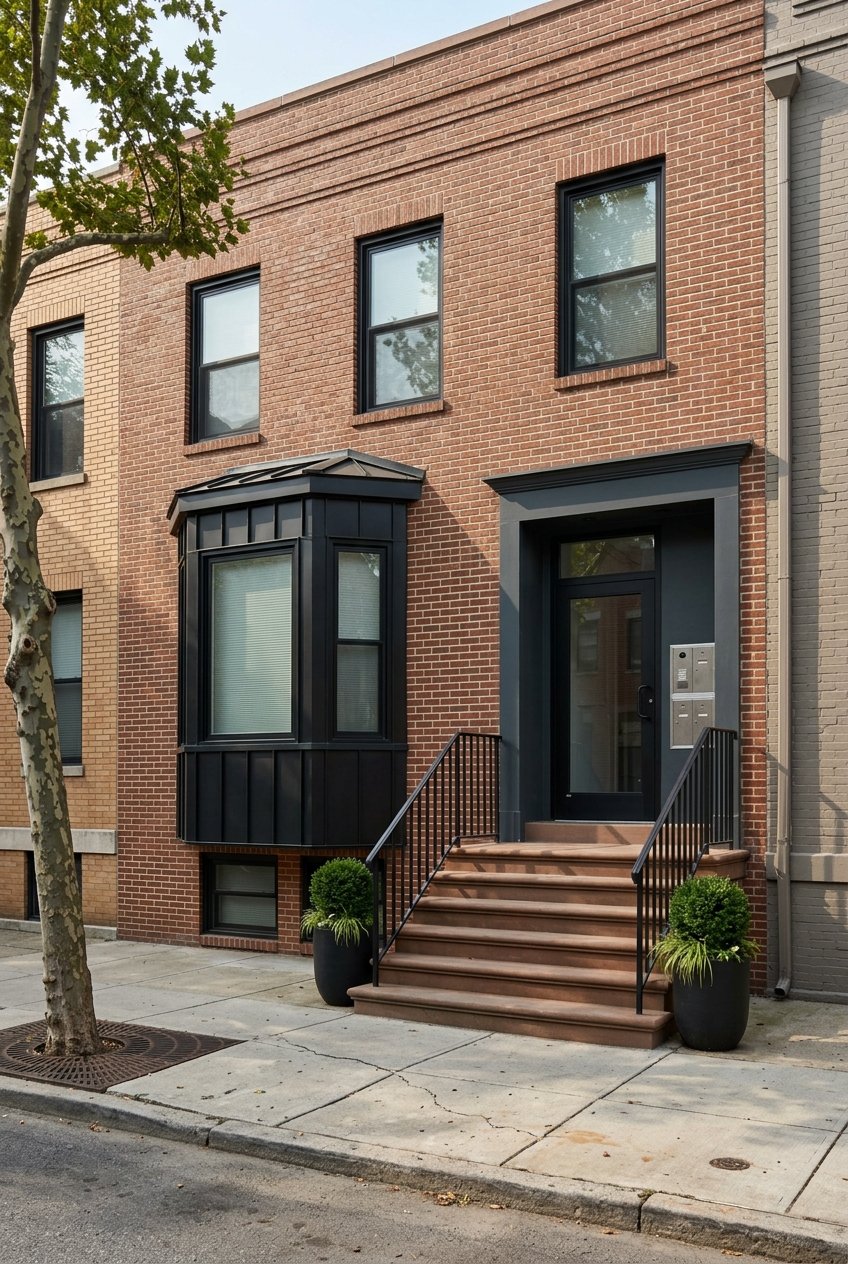
A brownstone is a 19th-century rowhouse style known for a stoop and parlor floor, often faced in brown sandstone. In Brooklyn Heights, many historic rowhouses are called brownstones even when the façade is brick or painted stone. The term describes a look and set of features more than a single material.
A townhouse is a broader term for a vertically oriented, attached home on its own lot. The façade can be brick, brownstone, limestone, or newer materials. “Townhouse” focuses on building form and ownership, not one specific style.
Brooklyn Heights is a designated New York City historic district. Landmark protections strongly influence what you can change on the exterior, from windows and stoops to cornices and visible rear or rooftop additions. This can affect renovation timelines and methods.
What you will notice on tour
Layout and flow
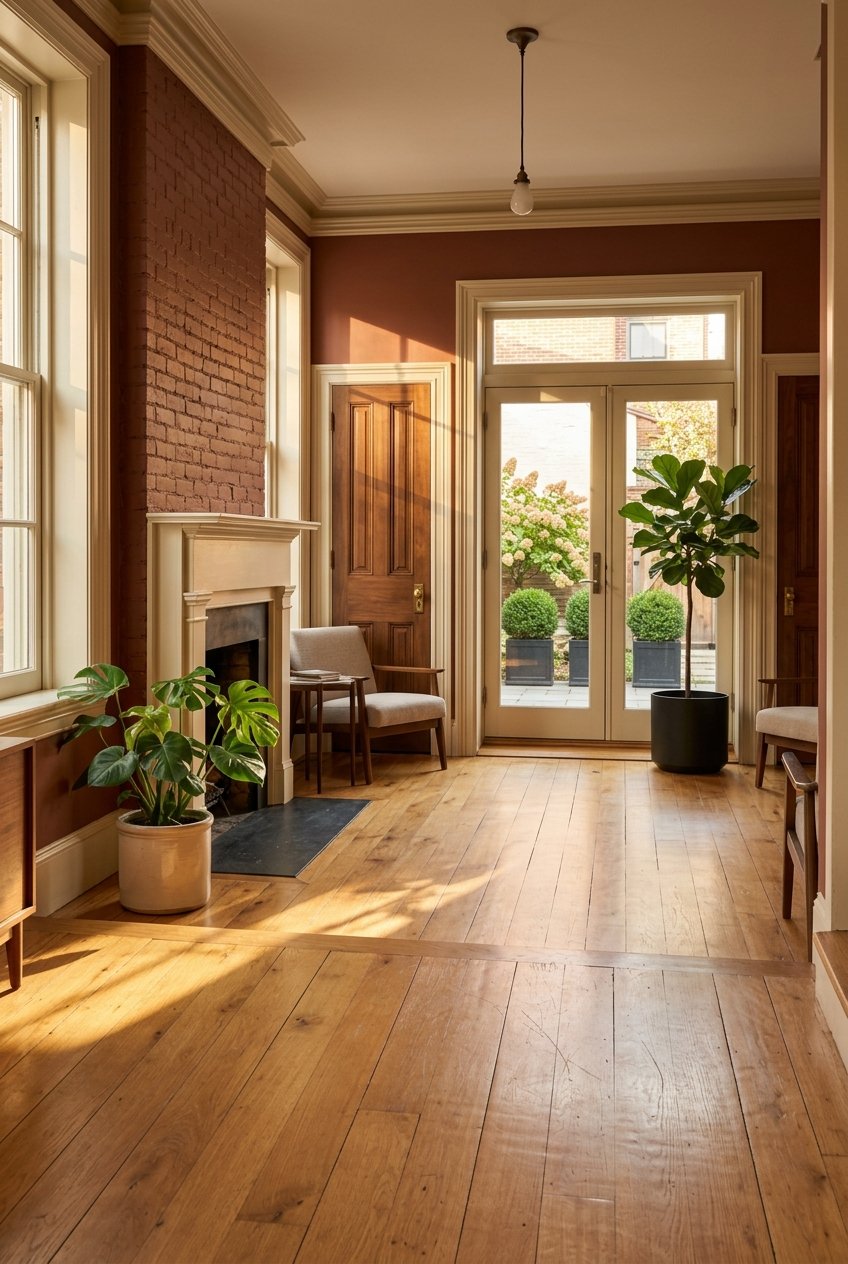
Most homes here are narrow and vertical, with 3 to 5 floors. You will often enter at a stoop, then find the formal parlor level one flight up, with bedrooms above. Garden or English basement levels can serve as a family room, service space, or a separate rental, depending on legal status and egress.
“Classic brownstone” layouts emphasize the parlor floor, tall ceilings, and formal rooms. Some townhouses have been reimagined as single-family residences with through-floor circulation and modernized kitchens at parlor level. Others remain multi-unit buildings.
Façades and materials
Brownstone refers to a specific sandstone that is softer and more porous than brick. It weathers and needs specialized repair, such as stone patching, dutchman repairs, and careful repointing. Brick façades generally require repointing and occasional brick replacement and tend to be lower-maintenance than brownstone.
Stoops, ironwork, and brownstone trim are defining features in Brooklyn Heights. Changes that are visible from the street usually require landmark review and permits.
Systems and constraints
Older buildings may have steam heat, aging boilers, older wiring, small bathrooms, and limited storage. Many renovations upgrade these systems, but stair geometry and the lack of elevator space make major reconfigurations more complex and costly. Plan any accessibility needs early.
Ownership and legal basics
Fee simple vs condo or co-op
You can own a townhouse fee simple, which means you own the building and land. Some rowhouses have been converted into condo or co-op buildings, where floors are separate units with shared common elements, charges, and board governance. Your ownership type will influence financing, approvals, maintenance, and resale.
Some properties are also held as multi-family rentals with several residential leases in place. Understand current uses and the legal structure before you bid.
Landmark rules in Brooklyn Heights
Exterior changes visible from public ways generally require a Landmarks Preservation Commission permit. This can include windows, cornices, stoops, façade repairs, and visible rooftop or rear additions. Interiors are typically outside LPC oversight unless designated, but all work must still meet building code.
LPC review can affect timeline and materials. If you love historic character and want stability in the streetscape, landmark protections can be a long-term positive.
Zoning and conversions
Local zoning and Department of Buildings rules determine legal use, allowed enlargements, and required egress for multi-unit layouts. Converting a single-family into multiple units, or splitting floors into condos, typically triggers a change to the Certificate of Occupancy and code upgrades such as fire separations and utility changes. Expect additional approvals, time, and cost.
Permits, inspections, and financing
Verify the current Certificate of Occupancy, open permits, and violations before you proceed. Lenders and insurers will look closely at legal status and building condition. Illegal units or unclear CO status can lead to financing delays or denials.
Maintenance and lifestyle tradeoffs
Exterior upkeep: brownstone vs brick
Brownstone requires specialized conservation. You may need patching, dutchman repairs, and expert repointing to manage water and weathering. Brick also needs repointing and occasional replacement but is typically lower-maintenance than brownstone.
Ironwork and cornices are highly visible and require periodic painting, rust mitigation, and repair. In a landmark district, these elements must meet preservation standards.
Interior systems and timelines
Plan for lifecycle replacements. Roof membranes often need attention every 10 to 25 years, depending on material. Boilers, air-conditioning, and other mechanical systems can have similar 10 to 25-year ranges. Keeping up with repointing, roof flashings, and waterproofing reduces the risk of bigger structural issues.
Living patterns and control
A single-family townhouse gives you privacy and full control of decisions, along with full responsibility for maintenance and capital expenses. A multi-unit property can offer rental income, but you will manage tenants and navigate code obligations. If a building is a condo or co-op, common charges and board approvals come with shared costs and rules.
Brownstone or townhouse: how to choose
- Choose a brownstone if you prize historic character and are comfortable with specialized exterior care.
- Choose a brick or mixed-material townhouse if you want lower exterior maintenance and more flexibility in façade durability.
- Prioritize fee simple if you want maximum control, quicker decisions, and privacy.
- Consider a multi-unit setup if income potential offsets your maintenance and management responsibilities.
- Factor in landmark rules early if you plan visible exterior changes, extensions, or a rooftop addition.
Buyer due diligence checklist
Use this list to compare properties and uncover hidden costs:
Ownership and legal status
- Confirm fee simple, condo, or co-op. Review offering plan and bylaws if applicable.
- Obtain the current Certificate of Occupancy. Confirm the number of legal units.
- Pull Department of Buildings history, open permits, and violations.
Landmark and zoning
- Verify the property’s location within the Brooklyn Heights historic district.
- Review recent landmark approvals for the property and nearby buildings.
- If you plan a rear or rooftop addition, discuss zoning allowances and likely review timelines with your architect.
Building condition
- Structural and foundation inspection, including façades and parapets.
- Masonry specialist review of brownstone, brick joints, and stoop conditions.
- Roof inspection for membrane condition and flashings.
- Mechanical, plumbing, HVAC, and electrical assessments.
- Environmental checks for lead paint, asbestos, and water intrusion.
Layout and legality
- Confirm that any garden or lower-level apartment is legal and has proper egress.
- Assess electrical panel capacity and mechanical sizing for modern renovations.
Market and practicalities
- Review relevant sales comparables and days on market for similar properties.
- Note street activity, commercial corridors like Montague Street, transit access, and parks.
- Confirm insurance availability and likely premiums for older, landmarked structures.
Resale outlook in Brooklyn Heights
Historic character and landmark protections support long-term desirability. Single-family brownstones and townhouses on prime blocks often stay in demand among buyers seeking period details. Renovation plans that respect landmark rules can appeal to future buyers.
On the flip side, deferred maintenance, illegal units, or unpermitted work can complicate resale. If you plan to convert to condo units, be ready for building-code upgrades and a longer lead time before you can bring units to market.
Next steps
If you are weighing a brownstone against a townhouse, the right answer depends on your appetite for exterior care, how much control you want, and your renovation timeline. With clear definitions, strong due diligence, and the right team, you can secure a home that fits your vision in Brooklyn Heights.
Ready to compare specific properties, assess legal status, and map out a renovation strategy that aligns with landmark rules? Reach out to Bill and Guy for tailored guidance and a discreet, data-informed plan.
FAQs
What is the core difference between a brownstone and a townhouse in Brooklyn Heights?
- A brownstone refers to a historic rowhouse style, often with a brown sandstone façade and stoop, while a townhouse is any attached, multi-story dwelling on its own lot regardless of façade material.
How do landmark rules affect renovations in Brooklyn Heights?
- Exterior changes visible from public ways typically need Landmarks Preservation Commission permits, which influence materials, design choices, and timelines. Interiors are usually not regulated unless designated.
Are brownstones more expensive to maintain than brick townhouses?
- Brownstone façades are softer and more porous, so they usually require specialized masonry repair and careful repointing, which can be more intensive than typical brick maintenance.
What ownership structures should I expect when buying a rowhouse?
- You may find fee simple single-family homes, multi-unit rentals, or buildings converted into condo or co-op units. Ownership type affects financing, approvals, and maintenance responsibilities.
What inspections are essential before buying in Brooklyn Heights?
- Prioritize structural, masonry, roof, mechanical, plumbing, electrical, and environmental inspections, along with a review of DOB history, CO status, and any open permits or violations.
Can I convert a single-family townhouse into multiple legal units?
- It is possible, but you will need DOB approvals, potential CO changes, and building-code upgrades such as egress and fire separations, which add time and cost.