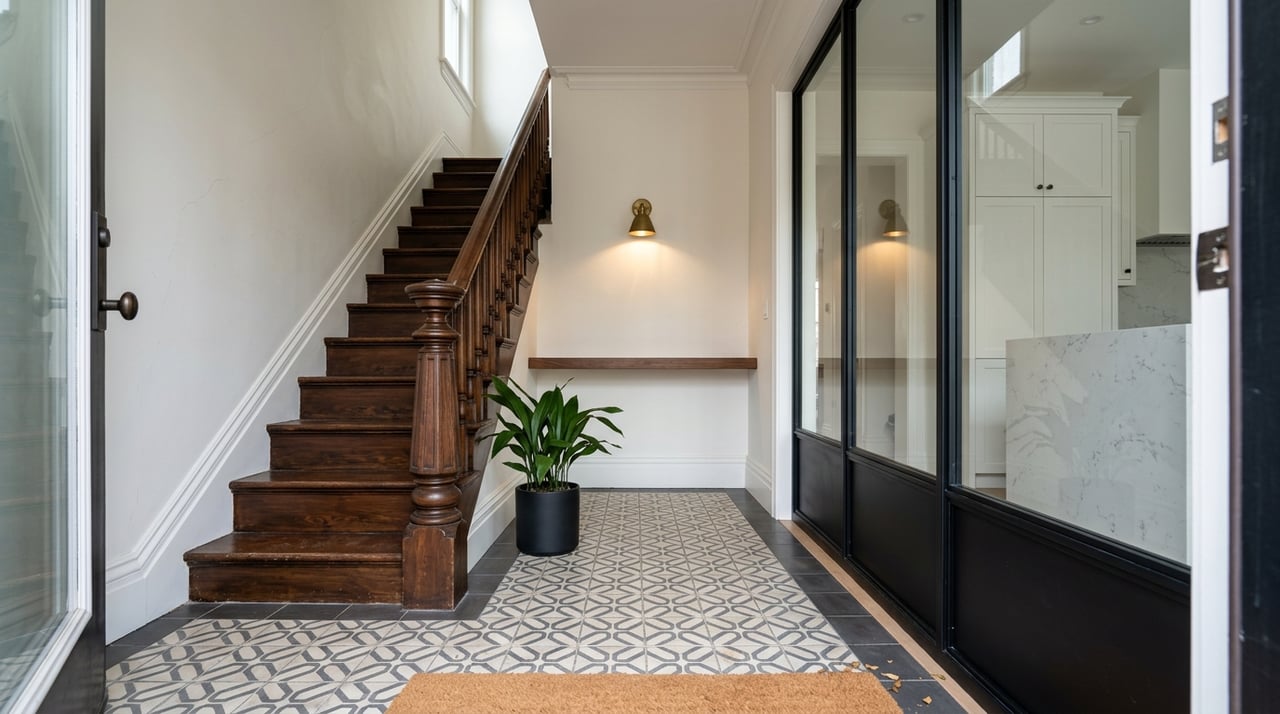
Looking for a multi-unit investment that offers both charm and numbers to analyze? Historic Downtown Jersey City gets a lot of attention for exactly that reason. If you are weighing a duplex, triplex, or four-unit building here, the opportunity is real, but so is the need for careful diligence. This guide walks you through the market, the rent story, and the local rules that can make or break your underwriting. Let’s dive in.
Why Historic Downtown Jersey City Stands Out
Historic Downtown Jersey City sits in a strong transit-linked rental corridor. PATH serves Grove Street, Exchange Place, and Journal Square, and operates 24 hours a day, 7 days a week as a primary link between New Jersey and Manhattan. Those stations also connect to buses, light rail, and ferry service, which helps support renter demand across different commute patterns.
That transit access matters because it helps explain why Downtown commands a premium. In spring 2026, Downtown Jersey City had a median listing price of $735,000, a median sold price of $731,250, median days on market of 36, 139 homes for sale, and 159 homes for rent. Median rent was about $3,300 per month, and homes sold for about asking price on average in March 2026.
For you as an investor, that points to a market with activity, but not one built on easy bargains. In a submarket where pricing is already firm, better outcomes usually come from disciplined underwriting, realistic expense assumptions, and smart operations after closing.
What Drives Rental Demand
The rental story in Historic Downtown is tied closely to transit convenience and urban lifestyle. Based on local market data and citywide demographics, the area likely attracts Manhattan commuters, dual-income professionals, and renters who place a high value on accessibility and location. That is supported by PATH service, Downtown rent levels, and Jersey City’s broader profile of strong educational attainment and labor-force participation.
Jersey City’s 2024 ACS profile shows a median household income of $100,751, an employment rate of 68.3%, and a bachelor’s degree or higher rate of 58.4%. The city also has 129,336 households and 139,835 housing units. QuickFacts reports an owner-occupied housing unit rate of 27.9%, which supports the view that Jersey City is a renter-heavy market overall.
Still, not every building captures the top end of the Downtown rent range. A premium location helps, but unit condition, layout, outdoor space, and parking can all shape what a tenant is willing to pay. If you underwrite every apartment at the top of the market without those features, your numbers can get optimistic fast.
Historic Downtown Rent Premiums
The spread between citywide and Downtown rents is a useful reality check. Jersey City’s citywide median gross rent is $1,902, while Downtown market rent is around $3,300 to $3,400 in current portal data. That gap shows how strongly this submarket prices transit access and location.
For investors, that premium is encouraging, but it also deserves respect. Premium submarkets can stay resilient, yet they can also be less forgiving when a unit is dated or a vacancy stretches longer than planned. Your underwriting should assume the building has to earn its premium, not simply inherit it.
How To Underwrite A Small Multi-Unit Building
A practical approach is to model the deal unit by unit. Start with market rent, then subtract vacancy, operating expenses, and reserves to arrive at net operating income. That structure is especially important in Historic Downtown, where older buildings often carry more compliance and maintenance costs than a newer asset might.
Using the current Downtown median rent of about $3,300 per month as a simple anchor, the gross annual rent would look like this before vacancy and expenses:
- 2-unit building: about $79,200 per year
- 3-unit building: about $118,800 per year
- 4-unit building: about $158,400 per year
These are illustrative figures, not appraisals. Your actual income will depend on unit mix, lease status, building condition, and whether the current rents are already at market.
Expenses To Model Carefully
In Historic Downtown Jersey City, some expense lines deserve extra attention:
- property taxes based on the actual tax bill
- liability insurance
- flood insurance where applicable
- repairs and maintenance for older buildings
- lead inspection or remediation reserves for pre-1978 properties
- management and leasing costs
- vacancy and credit loss
- capital reserves for roofs, windows, HVAC, and common systems
- historic-preservation review costs and permit timing for exterior work
This is where many first-time multifamily buyers get tripped up. A building can look attractive on rent alone, but taxes, insurance, flood exposure, and compliance costs can reshape the return profile quickly.
Rent Control Questions To Answer First
In Jersey City, one of the first diligence questions is whether the property is exempt from rent control. The city says all 1-4 unit properties are exempt from rent control. That can be a meaningful distinction if you are considering a smaller asset as your first income-producing property.
Even with that exemption, you should not assume there are no local requirements. Jersey City says non-owner-occupied dwellings with fewer than three rental units must file a landlord registration form. The city also says annual registration materials for rental properties must include proof of liability insurance.
The city launched a citywide audit of residential rental properties for rent-control compliance in January 2026. That tells you enforcement is active. In other words, local rules should be treated as part of the investment itself, not as paperwork to handle later.
If A Property Is Subject To Chapter 260
For properties that do fall under Chapter 260, the ordinance says renewal increases are capped at the lesser of 4% or the CPI change. It also allows only one cost-of-living increase in a 12-month period. Vacancy and capital-improvement increases are tied to documentation and permits.
That means a value-add plan should be modeled with real regulatory friction. If your strategy depends on aggressive future rent growth, make sure the building’s legal status and documentation support that assumption before you commit.
Historic District Rules Matter
In Historic Downtown, preservation review can have a direct effect on timing, budget, and scope. Jersey City has five local historic districts: Hamilton Park, Harsimus Cove, Paulus Hook, Van Vorst Park, and West Bergen East Lincoln Park. If your target property falls within a designated historic district or is a landmark building, exterior work can require review before work begins.
According to the city, any development, alteration, rehabilitation, repair, or demolition work in those areas may require a Certificate of No Effect or Certificate of Appropriateness. Rooftop additions, rear-yard additions, new construction, and demolitions generally go through Historic Preservation Commission review.
For you, this means renovation upside may still be there, but the path can be slower and more structured than expected. A project that looks simple on paper may involve additional approvals, documentation, and timeline risk.
Flood Exposure Should Be Part Of The Offer
Jersey City describes itself as a dense coastal community that is vulnerable to flooding. The city maintains a flood overlay map, along with zoning lookup tools and an interactive zoning map. If you are targeting a waterfront-adjacent or low-lying Downtown parcel, flood screening should happen early.
This is not just a box to check during attorney review. Flood exposure can influence insurance costs, drainage work, and your long-term capital plan. If the building needs extra resilience measures, that should be reflected in your offer price and return targets.
Lead Paint Rules For Older Buildings
Many of the smaller buildings that draw investors in Historic Downtown are older, and that puts lead compliance squarely on the diligence list. The New Jersey Department of Community Affairs says pre-1978 rental dwellings must be inspected for lead-based paint hazards every three years or upon tenant turnover when there is no valid lead-safe certificate. Lead-safe certificates are valid for two years.
This matters because lead status is not just a legal technicality. It can affect timing, cost, and leasing operations. If you are buying an older duplex, triplex, or four-unit property, ask for current documentation and build reserves accordingly.
Taxes And Insurance Are Core Inputs
In Jersey City, property tax is calculated from assessed value multiplied by the tax rate. The city also notes that assessed value can be appealed by April 1. For underwriting, that means you should work from the actual tax bill and current assessment data, not from a broad estimate.
Insurance deserves the same level of precision. Jersey City notes that New Jersey law requires $500,000 of liability coverage for rental-unit owners, or $300,000 for an owner-occupied multifamily home with four or fewer units. Those requirements should be reflected in your operating budget from day one.
A Smart Pre-Offer Checklist
Before you make an offer on a Historic Downtown Jersey City multi-unit building, work through these basics:
- Confirm whether the property is a 1-4 unit exempt building or subject to Chapter 260.
- Verify whether the parcel is in a local historic district or on the landmark list.
- Check the flood overlay map for exposure and insurance implications.
- Confirm lead-safe status or inspection timing if the building was built before 1978.
- Pull the actual tax bill, insurance quote, and any landlord registration requirements.
This kind of checklist will not make a marginal deal great. It will, however, help you avoid paying premium pricing for a property with hidden friction.
What The Best Investors Do Differently
The strongest buyers in Historic Downtown Jersey City usually do not win on optimism alone. They win by understanding that premium rents are only one part of the equation. They fully burden the pro forma with taxes, insurance, compliance, preservation, and possible flood costs before comparing returns.
That approach is not flashy, but it is effective. In a neighborhood where transit access and historic character support demand, the real edge often comes from clear-eyed diligence and disciplined pricing.
If you are considering a multi-unit purchase in Jersey City, having the right local guidance can save you time and sharpen your decision-making. The team at Bill and Guy brings a polished, hands-on approach to complex Hudson Waterfront transactions and can help you evaluate opportunities with both market context and practical insight.
FAQs
What makes Historic Downtown Jersey City appealing for multi-unit investing?
- Historic Downtown Jersey City offers strong transit access through PATH, connections to buses, light rail, and ferry service, and a current median rent around $3,300, which supports investor interest in small multifamily buildings.
Are 1-4 unit buildings in Jersey City rent controlled?
- Jersey City says all 1-4 unit properties are exempt from rent control, but some small rental properties still have landlord registration and insurance documentation requirements.
What should you check before buying a historic multi-unit building in Jersey City?
- You should confirm rent-control status, historic district status, flood exposure, lead-safe compliance for pre-1978 buildings, actual property taxes, insurance costs, and any landlord registration obligations.
Do historic district rules affect renovations in Downtown Jersey City?
- Yes. Jersey City says work within designated historic districts or on landmark buildings may require a Certificate of No Effect or Certificate of Appropriateness before work begins.
Why is flood screening important for Downtown Jersey City investment property?
- Jersey City identifies itself as vulnerable to flooding, and flood exposure can affect insurance costs, drainage work, and long-term capital planning for a multi-unit property.
How should you estimate income on a Jersey City multi-unit building?
- A simple starting point is to model income unit by unit using current market rent, then subtract vacancy, operating expenses, and reserves to estimate net operating income more realistically.