Is your short list full of great Hoboken condos, but you are not sure which building is the smart buy? You are not alone. The right address in Hoboken can boost your daily life and your resale value, while the wrong one can saddle you with higher costs or financing headaches. In this guide, you will learn how to compare buildings like a pro, from HOA health and amenities to commute, flood risk, and resale strength. Let’s dive in.
Market context and smart comparisons
Hoboken often trades at a premium to many Jersey City neighborhoods because it is compact, very walkable, and close to PATH and ferry service. Jersey City offers larger master-planned waterfront complexes and a wider range of price points. When you compare buildings, benchmark list prices and HOA fees against location, age, and whether a unit faces the water with a view. For live market snapshots and comps, use reliable neighborhood pages like the Hoboken section on Redfin market pages and note the date you check the data.
Focus on three levers when you compare buildings:
- Location and commute: waterfront or near PATH tends to command a premium.
- Building age and construction type: older walk-ups, mid-rise elevator buildings, and new towers each carry different HOA and maintenance profiles.
- View and exposure: waterfront views can add value but may also increase insurance or flood exposure.
Quick Hoboken neighborhood map
- Waterfront: Closest to the Hudson River esplanade and ferry docks. Premium views and quick access to Hoboken Terminal.
- Stevens: Around the university area on higher ground with a neighborhood feel. Walkable to Washington Street and transit.
- Lower Hoboken: Downtown streets with short walks to PATH, ferry, and retail along Washington Street.
- Southwest: Growing pocket with parks and Light Rail access, plus improving retail options.
Building types and tradeoffs
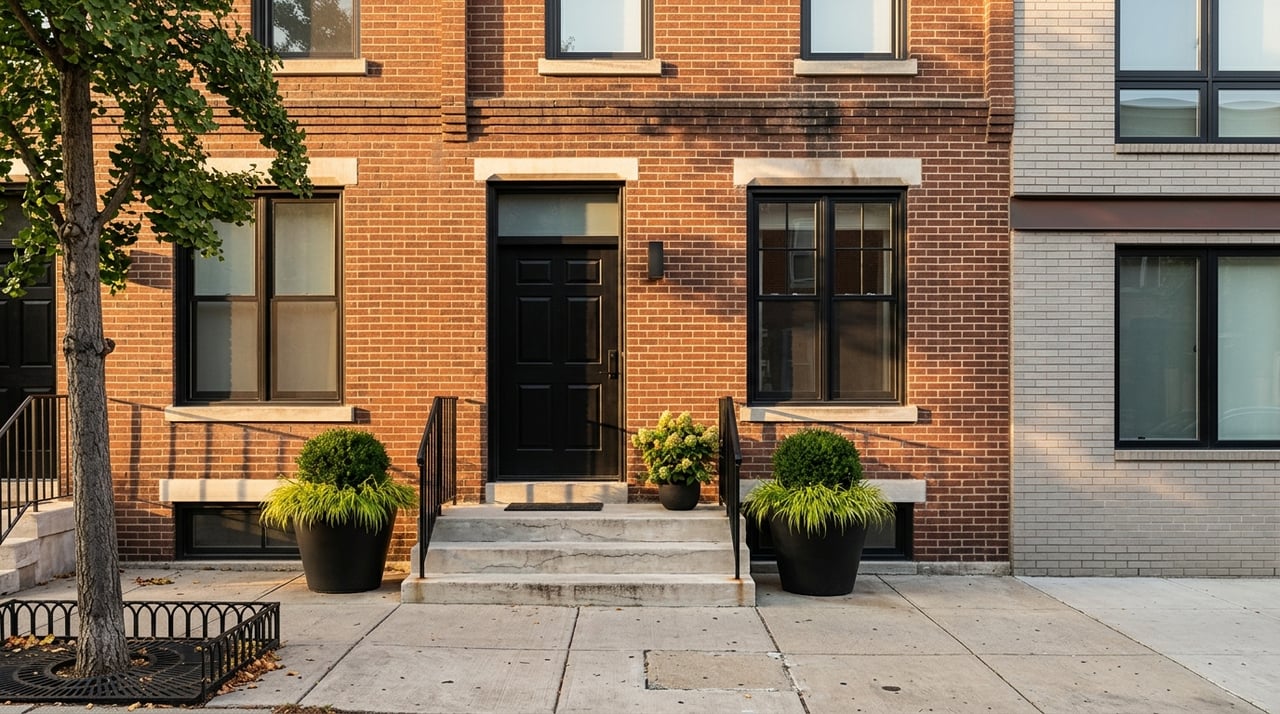
Historic conversions and brownstone-style walk-ups
- Lower HOA fees on average, limited amenities, and fewer building systems to staff.
- Possible stairs, older mechanicals, and varied maintenance histories.
- Financing is often straightforward if the HOA is healthy and litigation-free.
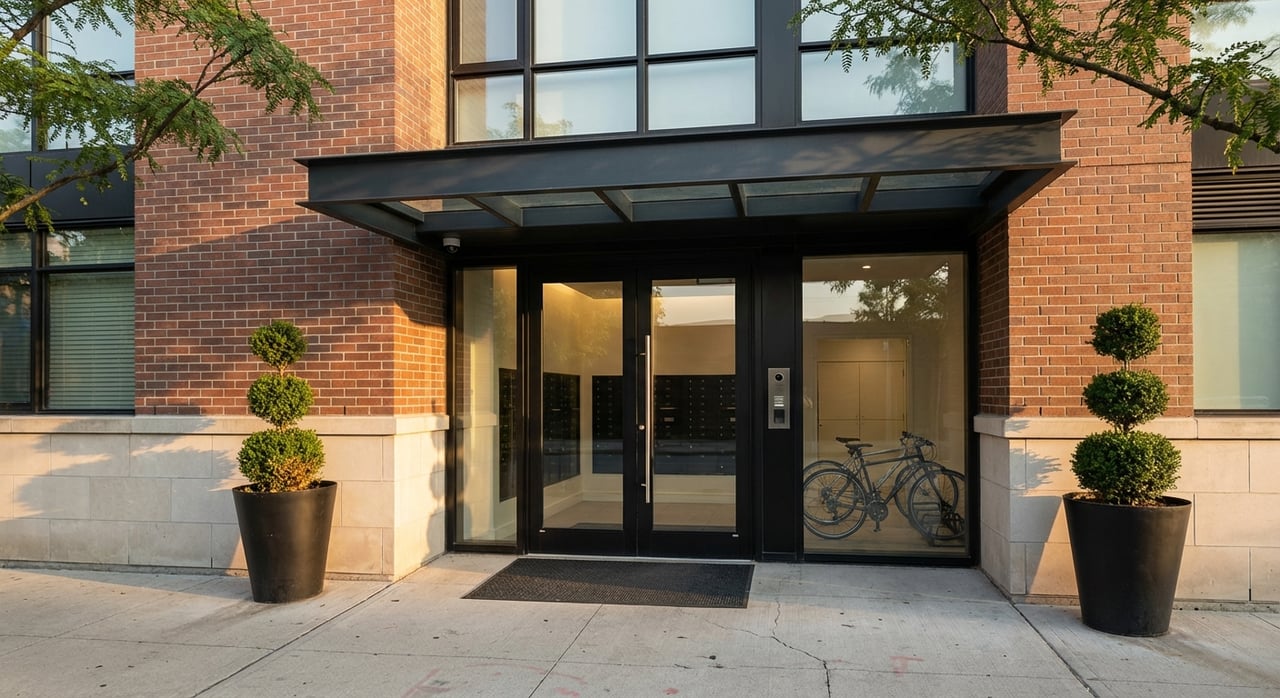
Mid-rise brick elevator buildings from the 1990s–2000s
- Balanced HOA profiles with elevators, modest gyms, and some parking.
- Budgets hinge on elevator, roof, and façade cycles. Reserve planning is key.
- Watch for upcoming capital projects in the minutes and reserve study.
Newer waterfront towers with full-service amenities
- Premium finishes, doorman or concierge, large gyms, pools, and valet or garage parking.
- Higher staffing payroll and amenity upkeep push HOA fees higher.
- Insurance terms, flood exposure, and lender project reviews play a bigger role in resale.
HOA governance and financial health
A building’s HOA determines monthly costs, special assessment risk, and even your ability to get a loan. Lenders and insurers underwrite the project, not just your unit. Do not skip the paper trail.
What to request as early as possible
Ask for the full resale or estoppel package right after your offer is accepted, or sooner if permitted. In New Jersey, associations provide resale certificate information that outlines unpaid assessments and approved special assessments. For a plain-language overview, see this New Jersey resale certificate explanation.
Request these items:
- Resale or estoppel certificate listing amounts owed and any approved assessments.
- Governing documents: master deed or declaration, bylaws, rules, and amendments.
- Current budget, last 2 to 3 years of financial statements, and current cash balances.
- Most recent reserve study and funding plan, including percent funded.
- Last 12 to 24 months of board meeting minutes.
- Insurance declarations: master policy, deductibles, and flood coverage if applicable.
- Litigation summary and any engineering or structural reports.
- Owner-occupancy data or rent roll if available, plus rental rules.
- Management contract and major vendor agreements.
How to read the HOA story
- Reserves and percent funded: Compare the current reserve balance to the “fully funded” target in the reserve study. Many associations view 70 percent or more as strong. Low funding or repeated waivers of reserve contributions is a warning sign for future assessments. Learn the basics from industry materials on reserve study best practices.
- Delinquency rates: High past-due assessments stress cash flow and can block loans. Lenders follow project-eligibility checks, so ask for owners 30, 60, and 90 days past due. See Fannie Mae condo project requirements for the concepts lenders use.
- Insurance and deductibles: Very large master policy deductibles can make a project ineligible for some conventional loans. Confirm per-occurrence deductibles and who pays if there is a claim. Review the Fannie Mae master property insurance guidance with your lender or attorney.
- Litigation and major repairs: Active suits about structure, envelope, or elevators can limit financing and signal big costs ahead. Search public records using the Hudson County case search, then match what you find to the HOA’s disclosure.
Timing tip: Resale certificates and lender questionnaires take days or weeks. Order them early and coordinate with your lender so you do not waive a condo contingency before the project is cleared.
Amenities and operating costs that matter
Amenities add value when they fit your lifestyle and the budget. Always tie the amenity list to the operating budget so you know what you are paying for and how stable that cost is.
Use this quick checklist:
- What your dues include: Heat, hot water, gas, cable, internet, or only common-area utilities.
- Staffing: Super, porter, doorman, concierge, cleaning crews, and whether staff are unionized.
- Amenity upkeep: Pool, HVAC, elevator, façade. Ask for recent invoices and repair logs.
- Access rules: Booking systems, guest policies, and usage limits.
- Parking and storage: Deeded versus assigned, separate fees, and waitlists.
Red flags: Frequent closures, visible deferred maintenance, sudden amenity-related dues spikes, or vendor disputes in the minutes. These often lead to assessments.
Transit, location, and your daily commute
Hoboken Terminal is a rare multi-modal hub. You can access PATH, NJ TRANSIT commuter rail, the Hudson–Bergen Light Rail, and NY Waterway ferries in one place. Proximity to the terminal and PATH often raises demand and pricing because it shortens the Manhattan commute. Review services and station details on the NJ TRANSIT Hoboken Terminal page.
The PATH ride from Hoboken to 33rd Street can be about 10 to 15 minutes depending on the schedule. Ferries offer comfortable rides to Lower Manhattan and Midtown at a higher fare, which can be useful when PATH has maintenance or weather issues. For an overview of the line, see the PATH Hoboken to 33rd Street page.
Commute options at a glance
| Mode | Typical minutes | Notes |
|---|---|---|
| PATH to 33rd St | About 10 to 15 | Frequent service. Check schedules for off-peak changes. |
| PATH to WTC | Short connection via Journal Square or Exchange Place | Factor in transfer time based on schedule. |
| Ferry to Midtown or Downtown | Varies by route, often under 20 | Higher fare. Comfortable alternative during PATH work. |
| NJ TRANSIT rail | Varies by line | Direct to many NJ destinations. Good for weekend flexibility. |
Walkability is a big Hoboken advantage. When you compare buildings, clock your walk to Hoboken Terminal, the Hudson River waterfront, and Washington Street retail. A five-minute walk can change your daily rhythm.
Long-term resale, resilience, and financing traps
Resale value is not only about finishes and views. It is about how easy it is for a future buyer to finance, insure, and live in the building.
Financing eligibility drives resale
Lenders evaluate condo projects for eligibility. Conventional loans, FHA, and VA each have project standards. If a building is not eligible for common products, your buyer pool shrinks. Learn how lenders think by reviewing Fannie Mae condo project requirements and check HUD’s FHA condominium guidance for project or single-unit approvals.
Insurance terms and flood exposure
Master insurance matters. Large deductibles or exclusions can affect financing. Confirm whether the building carries flood insurance and how deductibles would be shared among owners. Share the Fannie Mae master insurance guidance with your lender so they can flag any issues early.
Hoboken has known flood exposure from coastal surge and heavy rain. The city’s long-term strategy follows a Resist, Delay, Store, and Discharge framework, with resiliency parks and pumping infrastructure to reduce impacts. When you evaluate a waterfront or lower-floor unit, check FEMA flood zones, request elevation certificates, and track local resilience projects using the Rebuild by Design scoping document.
Structural projects and litigation risk
Façade repairs, window programs, garages, and elevators can trigger multi-year assessments. Active structural or envelope litigation may also limit conventional financing. Always ask for engineering reports, project bids, and a funding plan. Cross-check any disclosed cases in the Hudson County court search.
Quick buyer checklist for 3 to 5 buildings
Ask for these before you waive any condo or association contingency:
- Resale or estoppel certificate showing unpaid amounts and any approved assessments.
- Current year budget, last 2 to 3 years of financials, and bank statements.
- Most recent reserve study and percent funded.
- Minutes from the last 12 to 24 months.
- Master insurance declarations, including per-occurrence deductibles and flood coverage.
- Litigation summary and any engineering or structural reports.
- Owner-occupancy data or rent roll, plus any rental caps.
- Recent capital project bids and how they will be funded.
- Management contract and major vendor list.
Negotiation and timing tips:
- Build time into your contract for the resale certificate and lender project review.
- If you find low reserves, very high deductibles, or structural litigation, seek credits or escrow, get written lender confirmation that the project is acceptable, or be ready to walk.
Put it all together in Hoboken
- Narrow to three buildings across types. For example, a mid-rise elevator building a few blocks off the water, a newer waterfront tower with full amenities, and a historic conversion near Washington Street.
- Score each on commute, lifestyle, HOA strength, insurance terms, and flood exposure. Use the budget, reserve study, insurance declarations, and minutes to back up your notes.
- Confirm with your lender which project looks cleanest for financing. Then write your offer with the right time and documentation baked in.
When you get these pieces right, you buy more than a view. You buy daily ease, stable costs, and a smoother resale path.
Ready to compare specific Hoboken buildings or set up a targeted tour plan? Connect with Bill and Guy for a discreet, data-driven strategy that fits your goals.
FAQs
What is a resale or estoppel certificate in New Jersey condos?
- It is an association document that states unpaid assessments and any approved special assessments for a unit, which you should request as soon as your offer is accepted.
How do HOA reserves affect my costs when buying a Hoboken condo?
- Strong reserves lower the risk of special assessments and support predictable dues, while weak funding can lead to sudden increases for capital projects.
Do Hoboken waterfront condos require flood insurance and does it affect loans?
- Many waterfront or lower-floor units face flood exposure, so confirm the building’s flood coverage and your lender’s requirements because insurance terms can affect financing.
How does owner-occupancy rate in a building impact my mortgage options?
- Low owner-occupancy or high investor concentration can trigger extra lender scrutiny and may limit access to certain loan programs.
What commute times can I expect from Hoboken to Midtown Manhattan?
- PATH from Hoboken to 33rd Street is often about 10 to 15 minutes depending on the schedule, and ferries offer alternative routes to Midtown and Downtown.
What are common red flags in condo board minutes when comparing Hoboken buildings?
- Repeated vendor disputes, frequent amenity closures, sudden dues jumps, or mentions of major envelope or elevator projects without clear funding plans are warnings.